


DOGS, CATS & BILLIONS: THE EVOLUTION OF PET FOOD – FROM BONES TO INSECTS
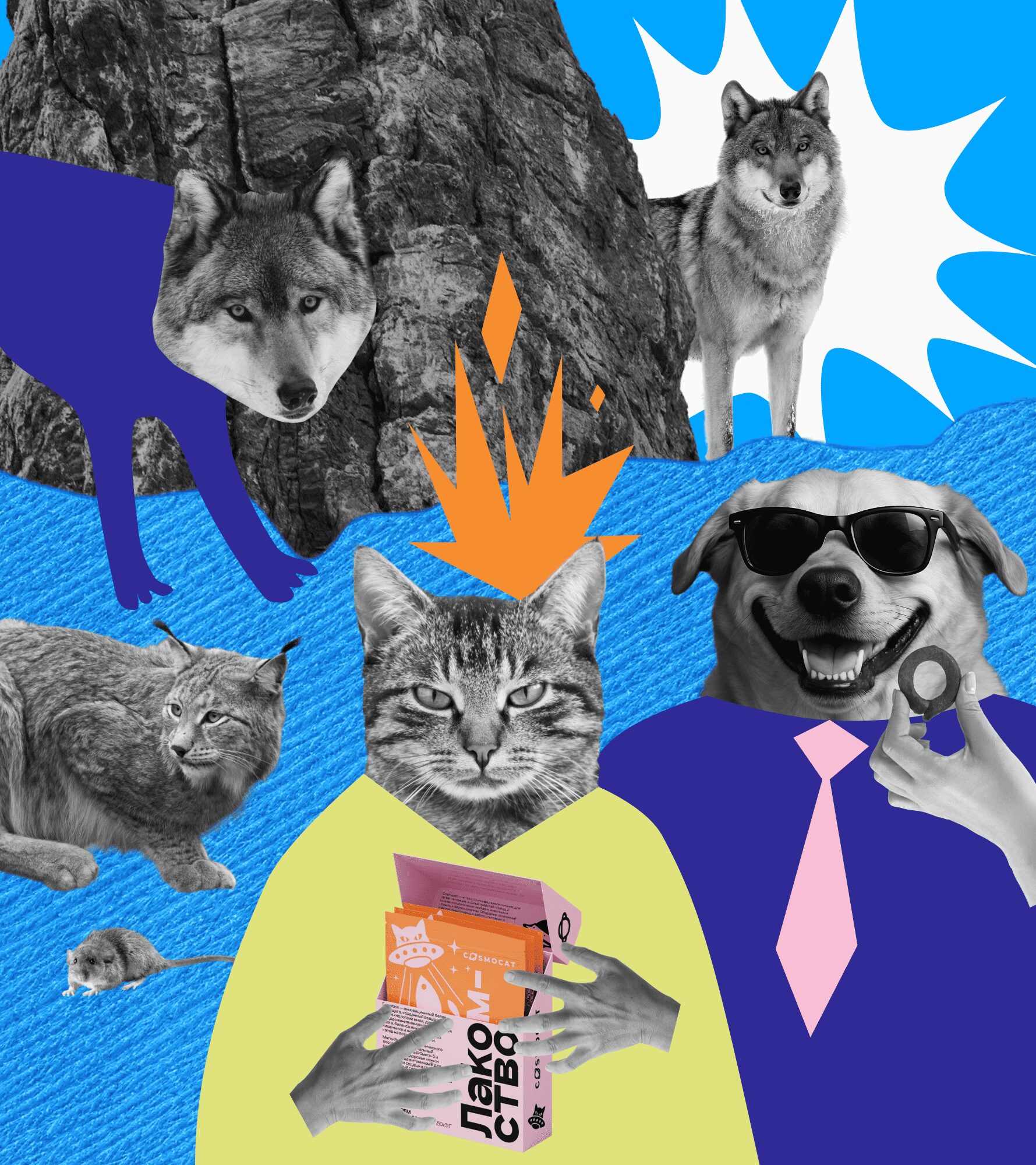
A few centuries ago, cats hunted mice and dogs chewed bones under the table. Today they have hypoallergenic recipes, insect protein, and even lab-grown meat. Their diet is curated by veterinarians and pet nutritionists. And bags of food arrive on subscription, right on schedule.
In just a few generations, pet food has turned into a global market where technology, nutrition science, and branding compete for your pet’s bowl. How did our companions rewrite their own menus – and why does a simple bowl of kibble reflect the era we live in?
BACK TO THE BEGINNING
For thousands of years, cats found their own meals: hunting rats, mice, and birds. People kept them as natural pest control – not as companions, not as family. Dogs moved closer to humans earlier: domesticated wolves guarded camps and helped herd livestock. In return, they got scraps and bones. Balanced nutrition simply didn’t exist. Only by the Middle Ages did a few nobles indulge their hunting dogs with cooked porridges.
But true change came with the new epoch. Ideas of Enlightenment and humanism taught society to care about pets. Scientific progress spurred biology and early veterinary medicine. As cities expanded, humans needed fewer working dogs and more companions. The new bourgeoisie class could well afford to keep furry friends at home. At royal courts, dogs became symbols of status. They had portraits painted and dishes prepared just for them. And in 1789, English philosopher Jeremy Bentham wrote one of the first arguments for the moral value of animal life:
“The question is not, Can they reason?, nor, Can they talk? but, Can they suffer?”

THE FIRST DOG FOOD
The first commercial dog food was invented in England, almost at the same time the first shelters appeared. Entrepreneur James Spratt noticed sailors tossing hardtack overboard – and stray dogs eagerly finishing it. In 1860, Spratt introduced a “complete meal” for pets: biscuits made of wheat, vegetables, beetroot, and dried beef blood. Soon Spratt’s company opened branches in the USA and Germany, began producing food for other animals, and finally laid the foundation for an industry that is now estimated at tens of billions of dollars.
In the early 20th century Frank Bennett came up with the idea of adding treats to everyday pet food. He created Milk-Bone, a wholesome wheat-and-milk biscuit with meat scraps, fats, and minerals. It promised stronger teeth and bones – and became a perfect reward during training. Bennett built a fortune on it.
Soon came the first wet food. Ken-L Ration hit the shelves in tin cans, just like human canned goods. Its main ingredient was horsemeat: after World War I, the U.S. faced a surplus of horses no longer needed by armies or farms. The meat was cheap, easy to preserve, and widely available. The cans also included rice, corn, organ meats, vitamins, and minerals. Soon it became a symbol of a new culture where dogs are no longer fed leftovers, but special food is bought for them.

Even so, the industry was still in its infancy. Kibble, biscuits, and canned food were luxuries for the wealthy customers. World War I and the Great Depression forced resources toward humans and animals ate whatever was available. Cats suffered most: although early cat foods existed, they weren’t mass-produced. Cats were still seen as hunters, not companions, so they continued to hunt mice and ate leftovers. Real pet food was yet to be born – alongside the tech boom after World War II.
AND THEN EVERYTHING CHANGED…
Post-war economic growth transformed how people lived – and how they fed their pets. Family incomes rose. A stable middle class emerged. And pets officially became members of the household to spend money on.
More people now lived in apartment buildings, meaning cats and dogs could no longer hunt or live off scraps. Food preservation technologies invented for wartime suddenly had peaceful uses. Factories built to feed soldiers easily repurposed to feed pets. Companion animals became family members – and caring for them became an emotional need. Along with it came the demand for specialized food.
By the 1950s, the first complete diets appeared, offering carefully calibrated levels of protein, fat, vitamins, minerals, and fiber. Earlier-generation pet food had been unbalanced – mostly carbohydrates and meat waste. The new formulas provided nutritious, shelf-stable food for mass audiences. Companies that focused solely on pet nutrition emerged.
New brands like Mars’ Pedigree entered the market, later joined by giants such as Nestlé. By the end of the decade, the pet food market reached $350 million; by 1976, it had quadrupled to $2.5 billion.

THE BEGINNING OF INDUSTRIAL PET FOOD
Large-scale production required new standards and strict quality control. The first wake-up call came in the 1970s, when cats across the country suddenly began losing their sight and developing heart problems. The cause: taurine deficiency – an amino acid essential for feline vision and health. Taurine is abundant in raw meat, but gets destroyed during high-heat processing. Without standardized regulations, manufacturers simply weren’t supplying enough. That is why taurine couldn’t make it to pet bowls.
Public outrage pushed the American Association of Feed Control Officials to establish the first nutritional standards – which still regulate the market today.
The attitude towards food itself was changing: it became not merely sustenance, but a tool for supporting animal health and extending lifespan. The first diets for age groups, breeds, and chronic conditions appeared. Extruded kibble replaced cheap canned goods. Pet food also became part of an image. Dozens of brands competed for attention, inventing new flavors and borrowing fast-food marketing: chicken nuggets for dogs, farmhouse turkey for cats.
THE ERA OF THE 90s AND 2000s
By the 1990s, a pet’s bowl contained everything: care, science, and marketing. Ingredient lists began to resemble restaurant menus – turkey, sweet potato, salmon. Pets acquired specialized diets: for sterilized animals, allergy-prone animals, and couch potatoes. Veterinarians and scientific consultants joined product development. Hill’s became a benchmark brand, having demonstrated half a century earlier that proper nutrition could be a form of treatment. Their diets were prescribed for diabetes, obesity, kidney disease – symbolizing a new philosophy: you can heal with food, not just pills.
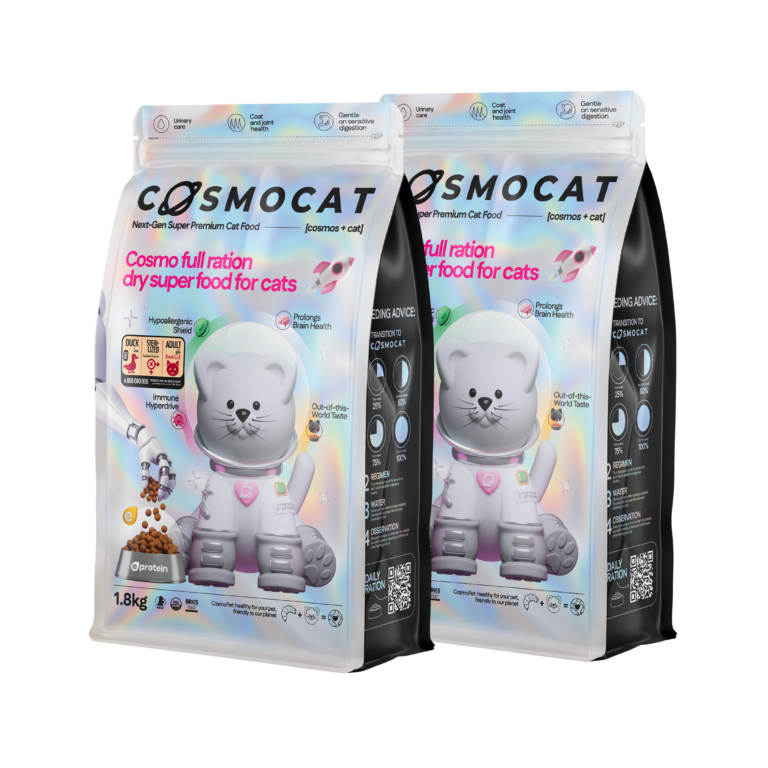
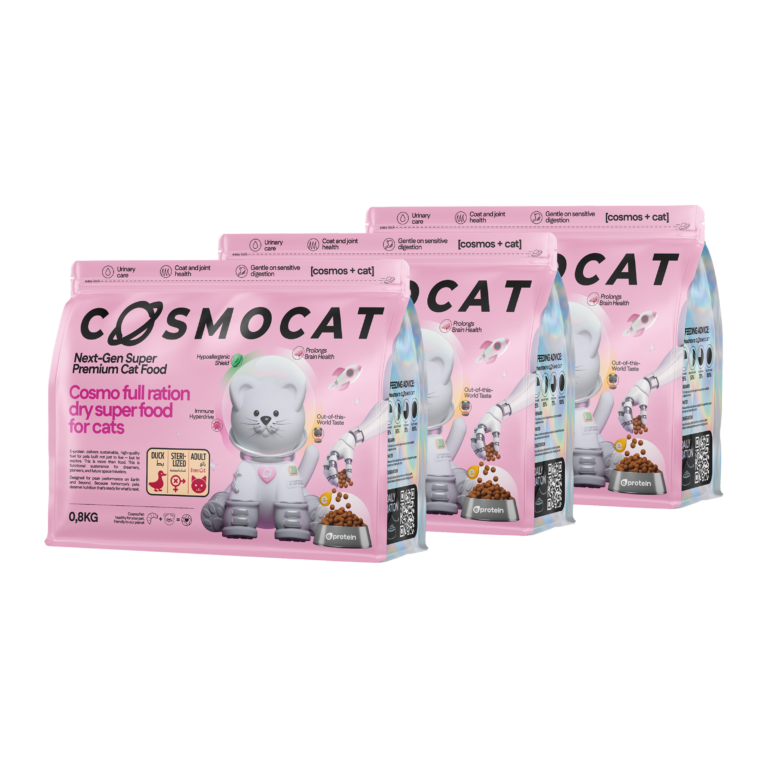
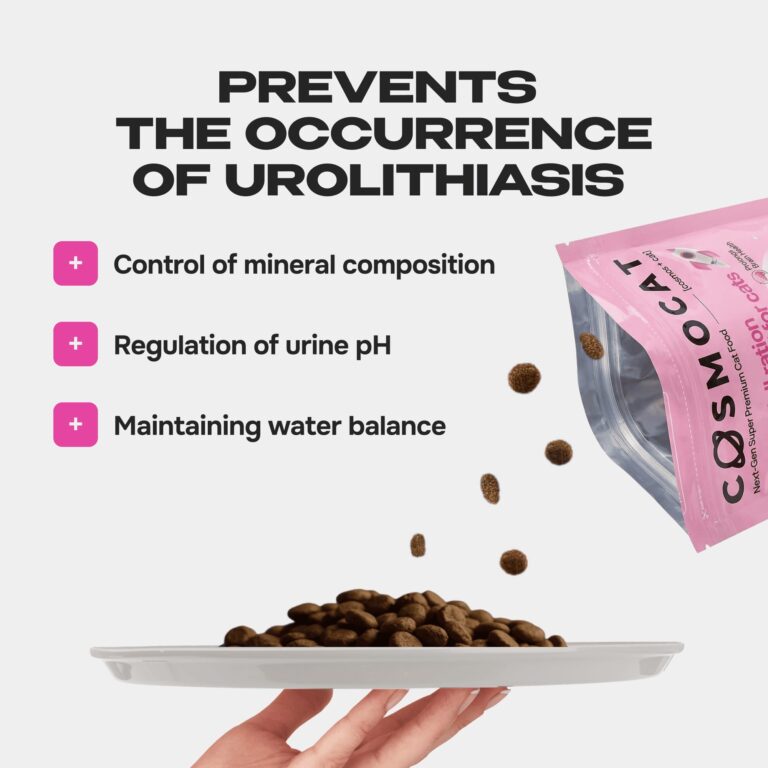
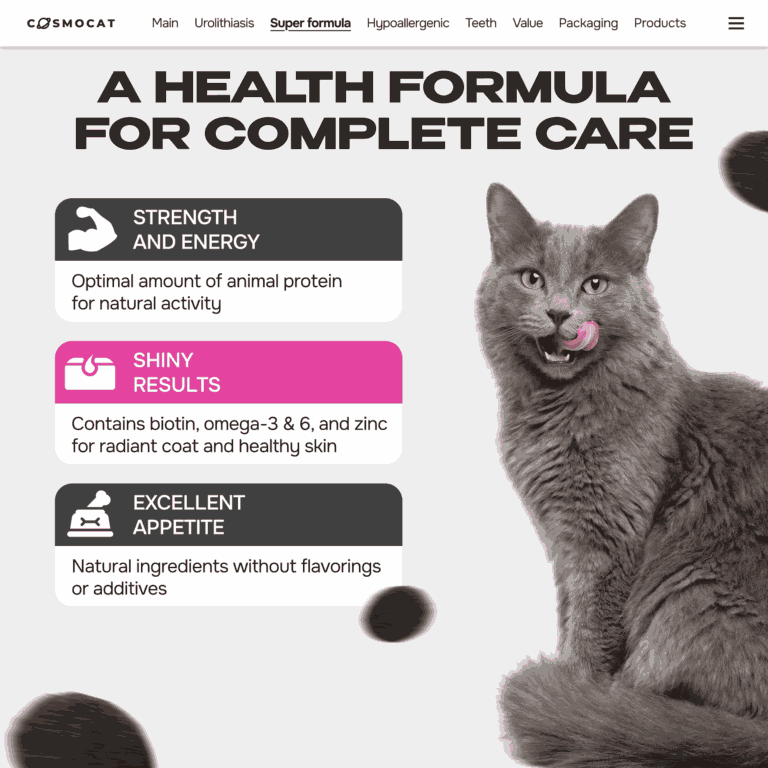
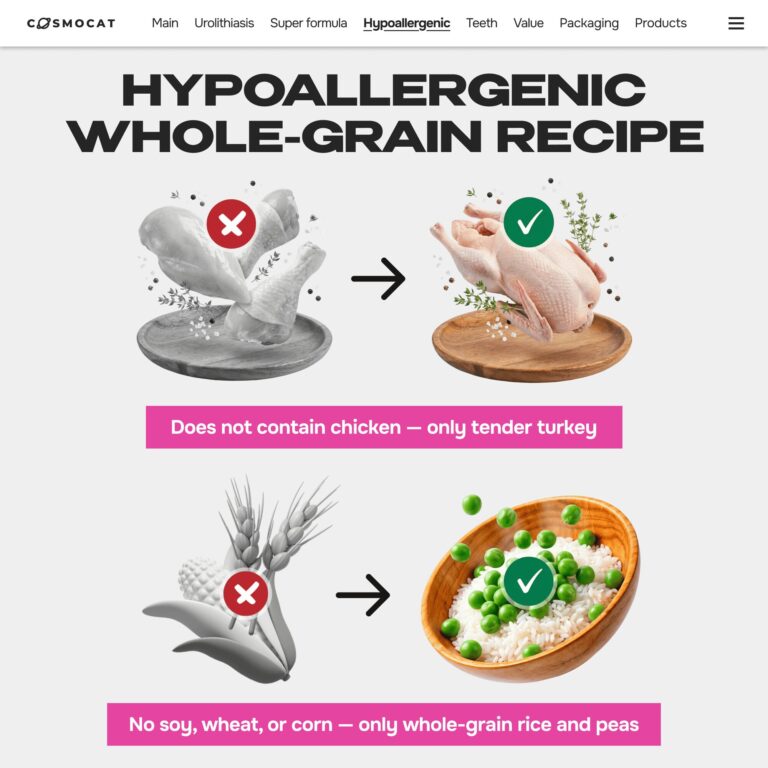
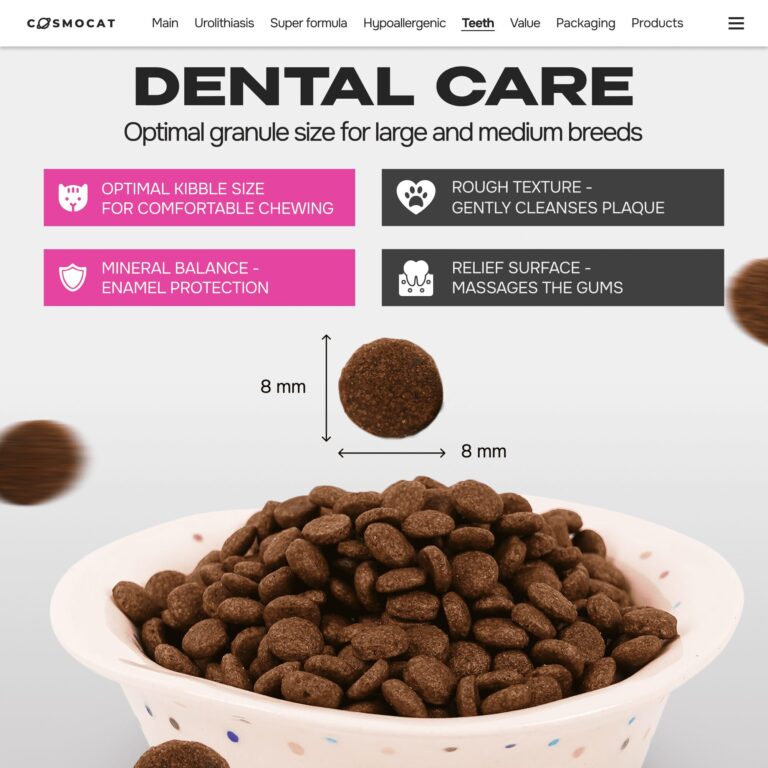
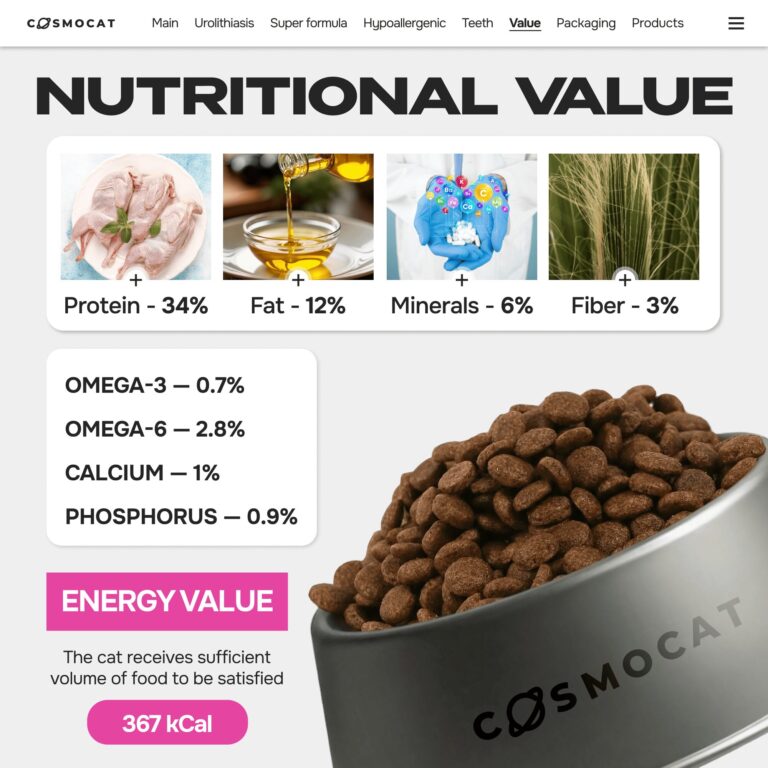
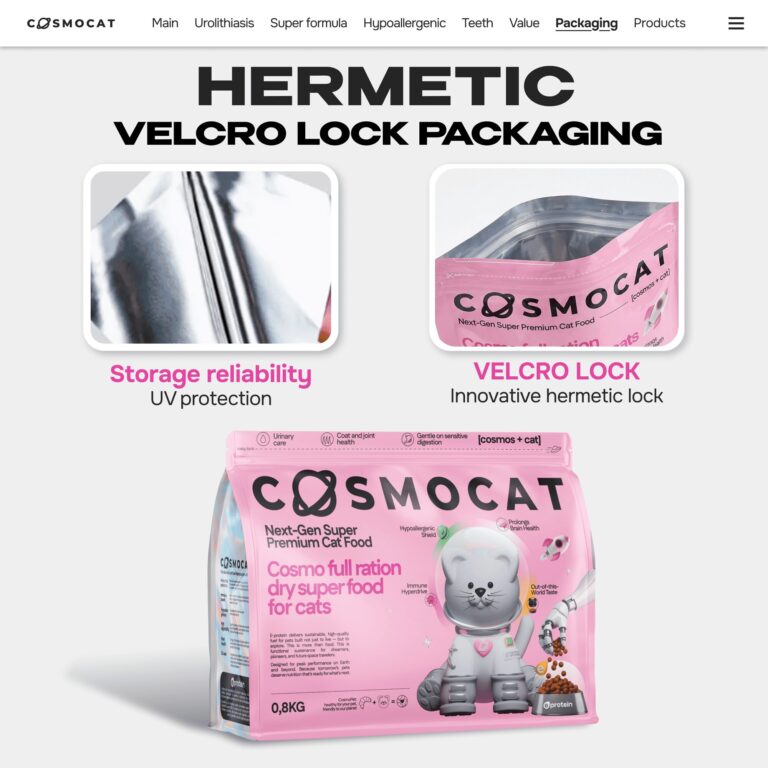
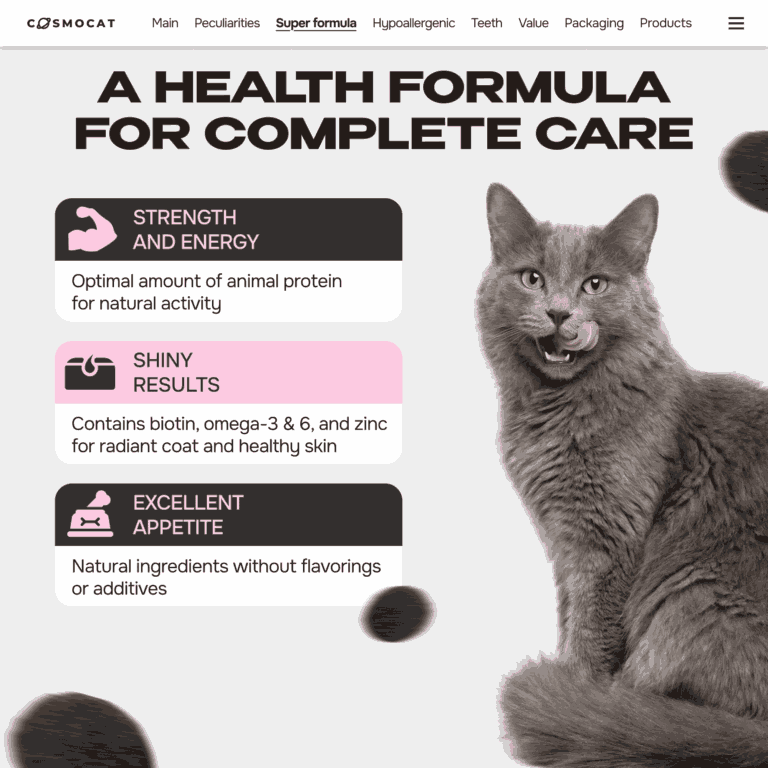
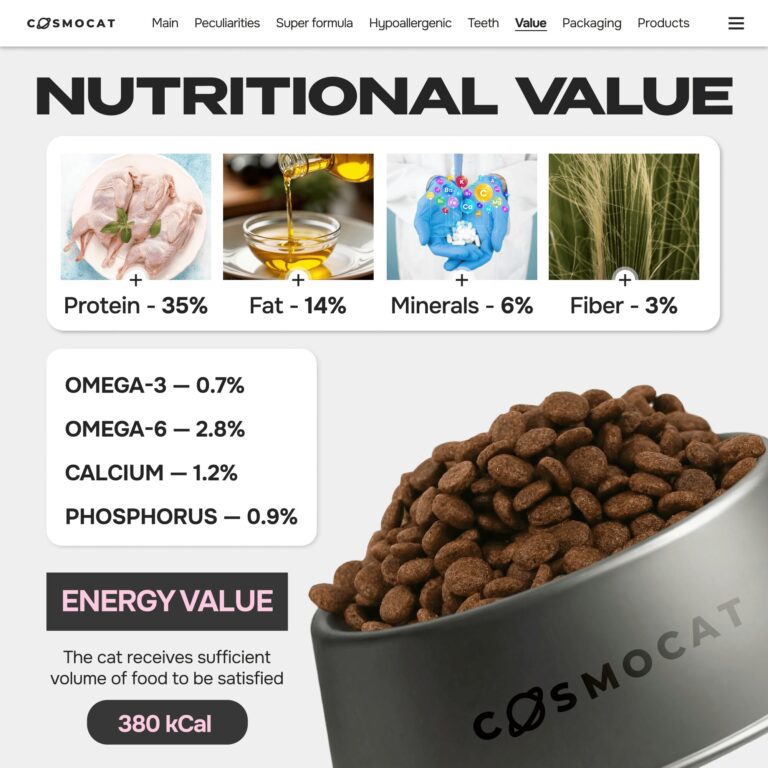
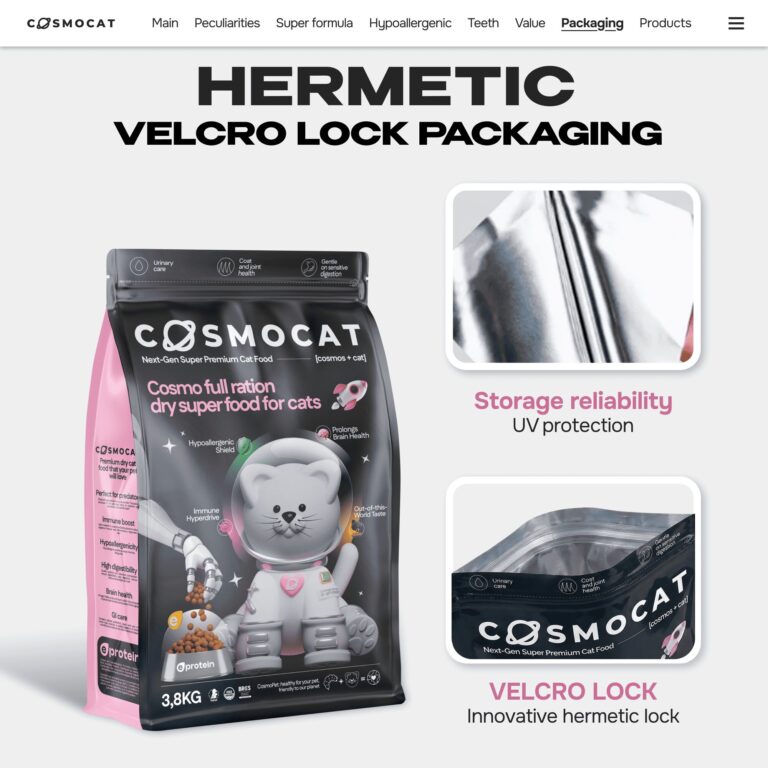
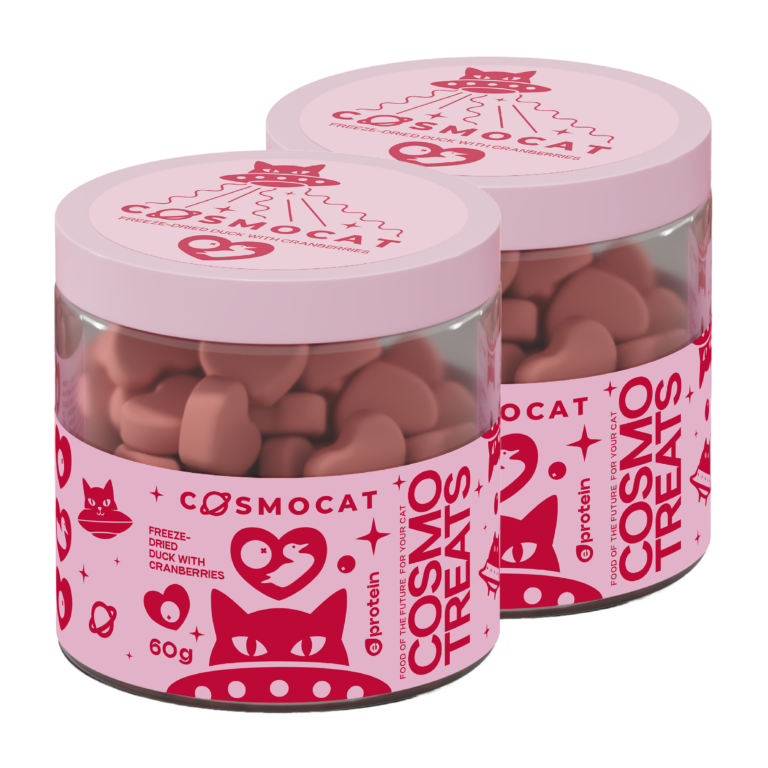
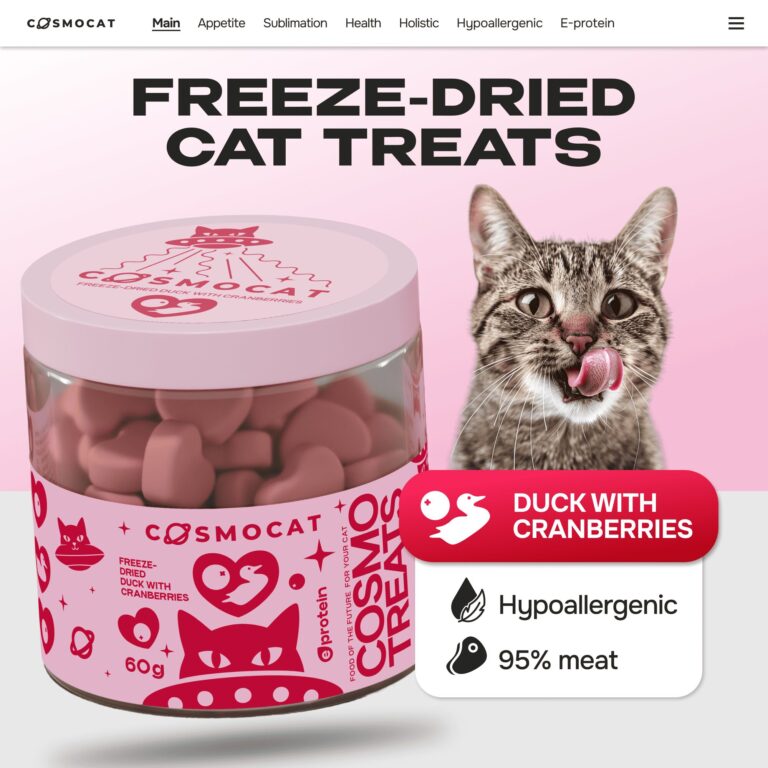
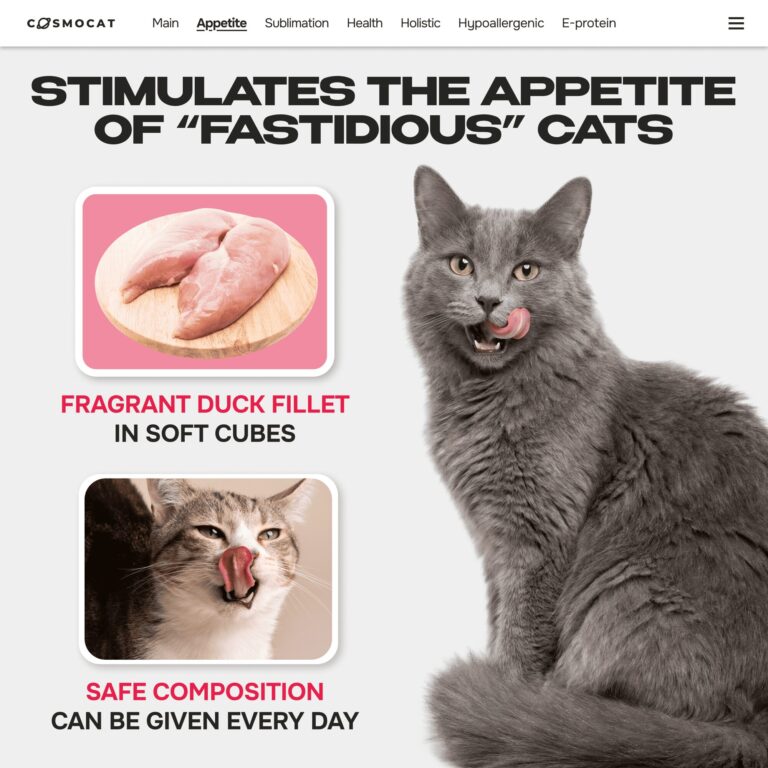
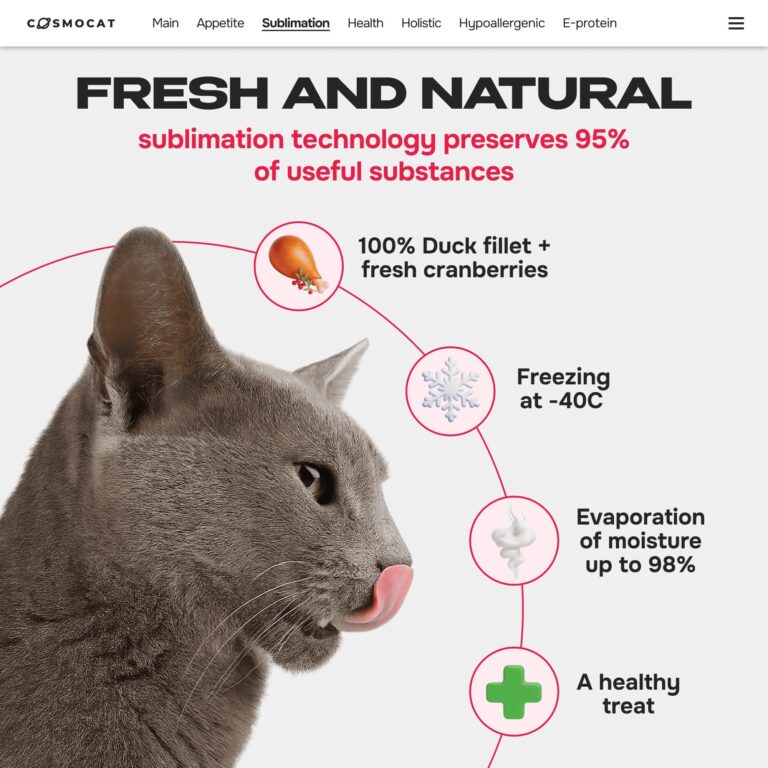
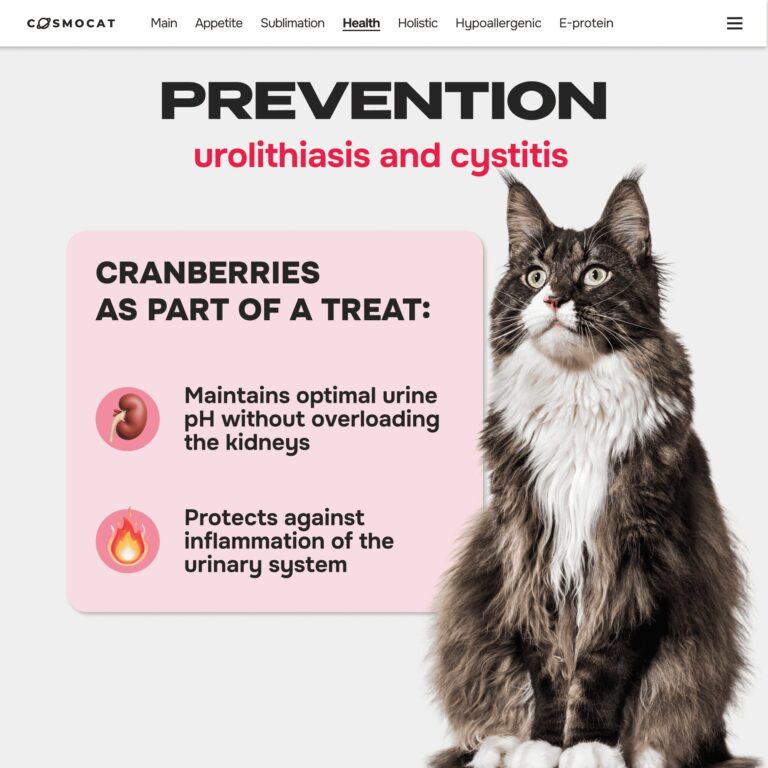
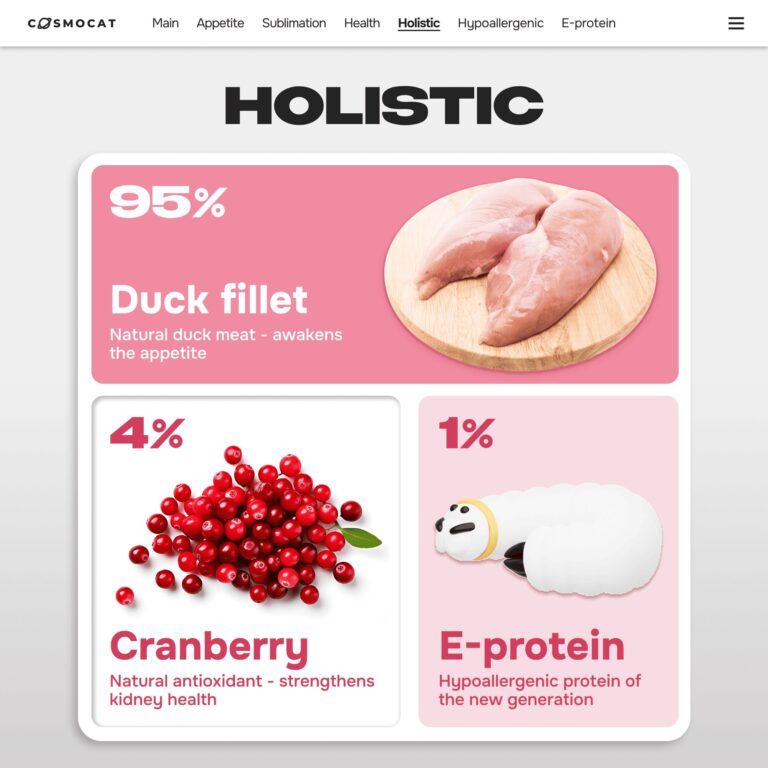
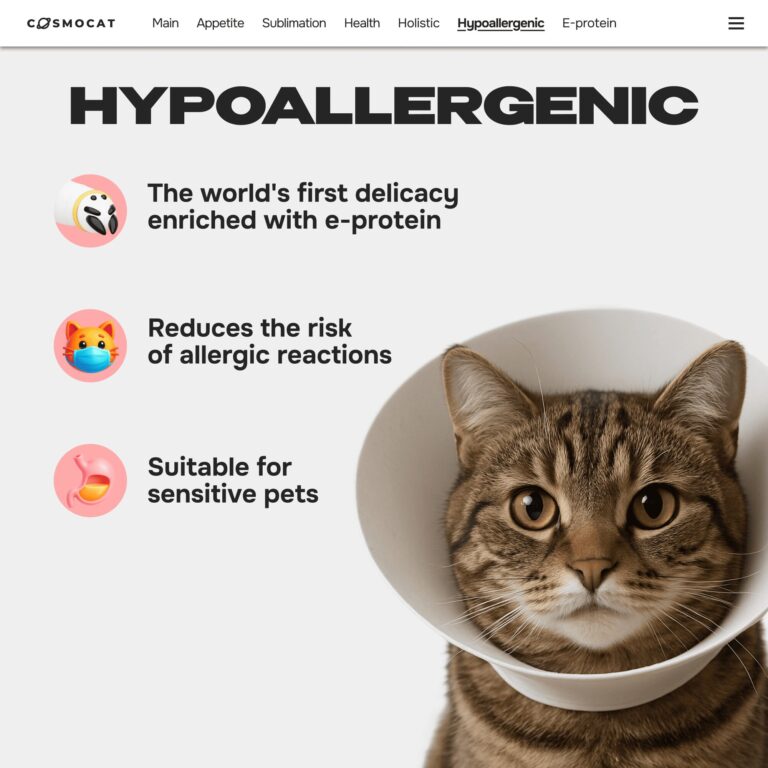
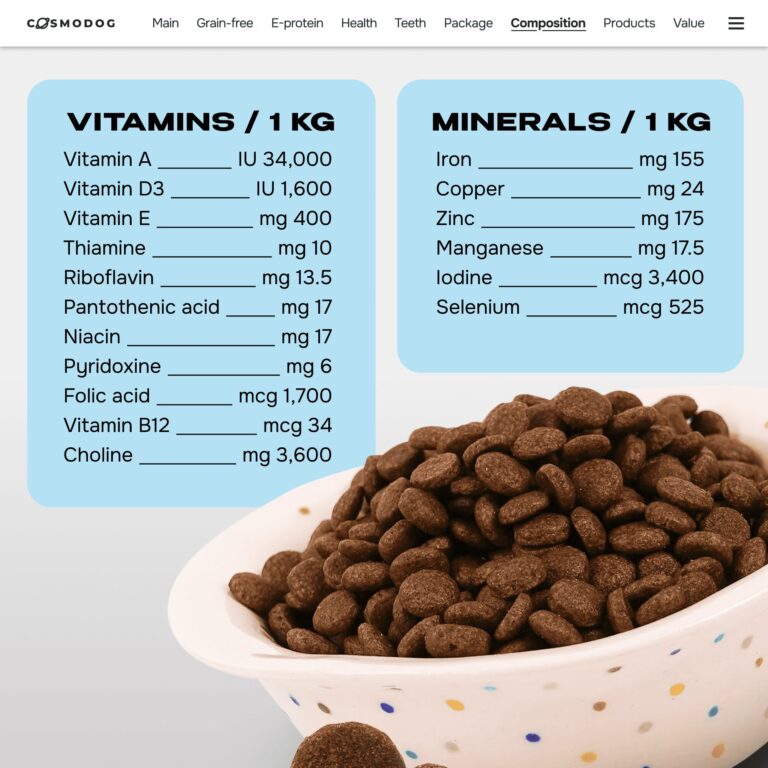
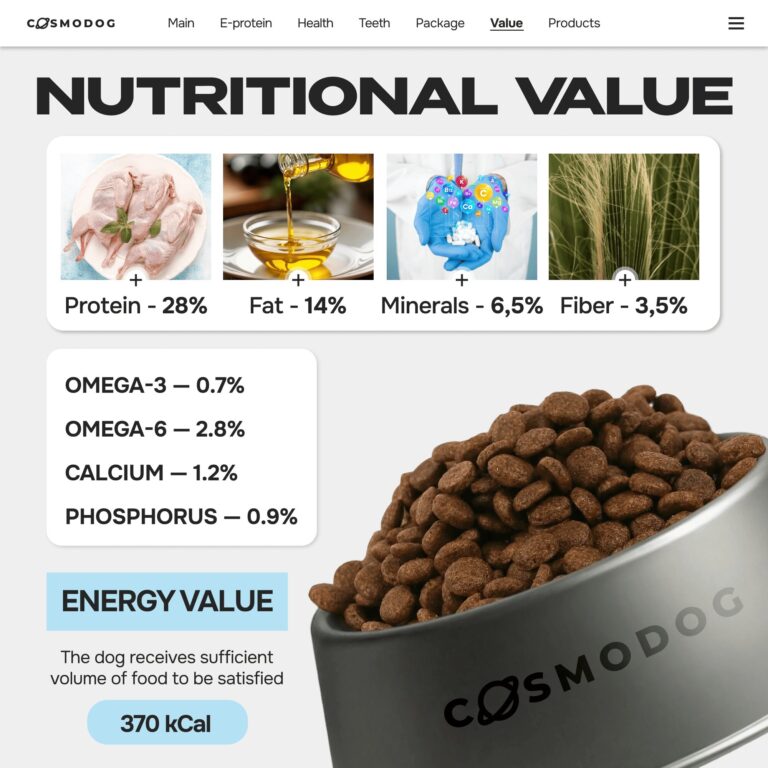
Today, new companies like Cosmopet follow the same principles – formulating recipes with veterinary nutritionists, adapting formulas for sensitive cats, and focusing on stress prevention and gut health.
Natural, ethical, organic – pet food increasingly resembled human food. At the same time, manufacturers tried to “mirror” natural instincts. Cats needed high-protein, carnivore-appropriate diets; dogs needed variety, closer to their wild ancestors’ nutrition. Holistic foods surged in popularity: freeze-dried organs, offal, and higher meat content. Packaging shifted from cartoon animals to labels like “Gluten Free”, “Grain Free”, “Human Grade.”
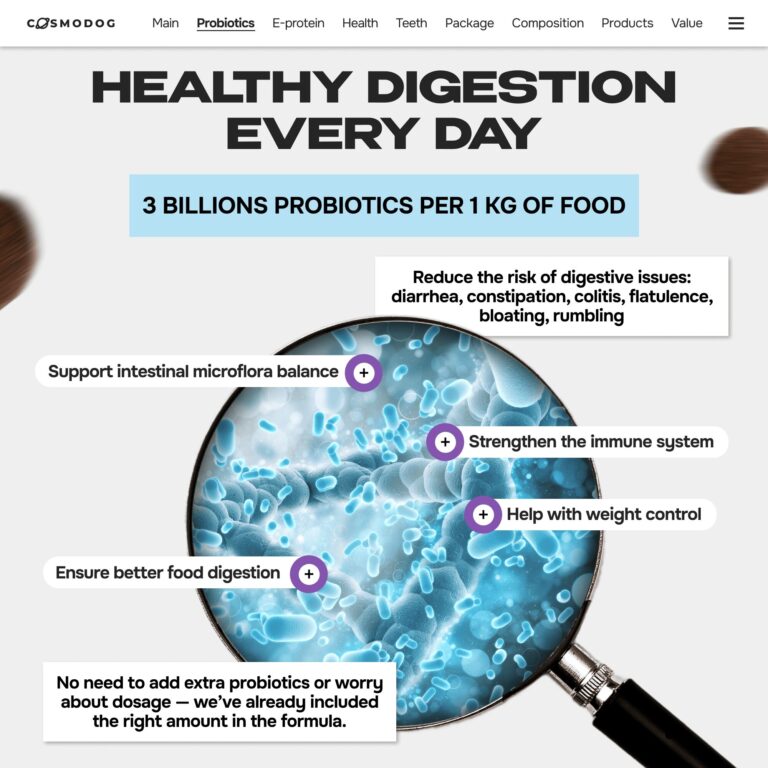
By the 2010s, pet food became a service. Pets received personalized subscription meals in custom-printed bags with precisely calculated portions. Formulas were tailored based on detailed profiles: weight, age, breed, activity, sterilization. Ingredient transparency reached new levels – down to the origin of each component, the percentage of meat, and the presence of probiotics. Niche startups filled the market, promising to account for everything: dietary habits, allergies, mood, and even future risks. The pet food industry fully merged with human food culture – in logic, style, and care. The problems began when dog influencers started sharing their “mindful diets” on Instagram.
It turned out a large dog’s diet could leave a carbon footprint comparable to a car. According to scientists, cats and dogs in the U.S. consume around 30% of all meat produced in the country – generating emissions equivalent to 13.6 million cars.
THE NEWEST GENERATION OF PET FOOD

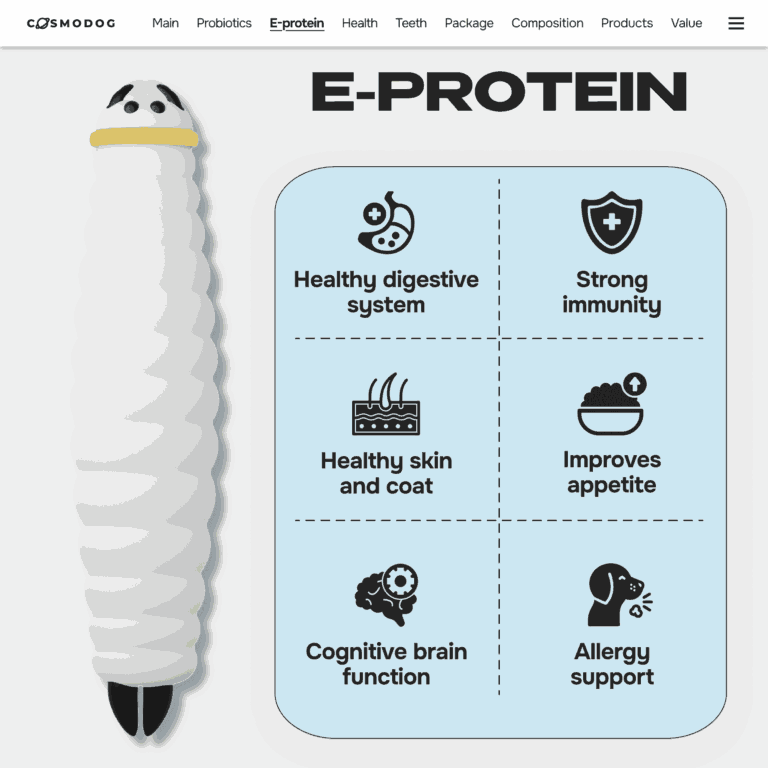
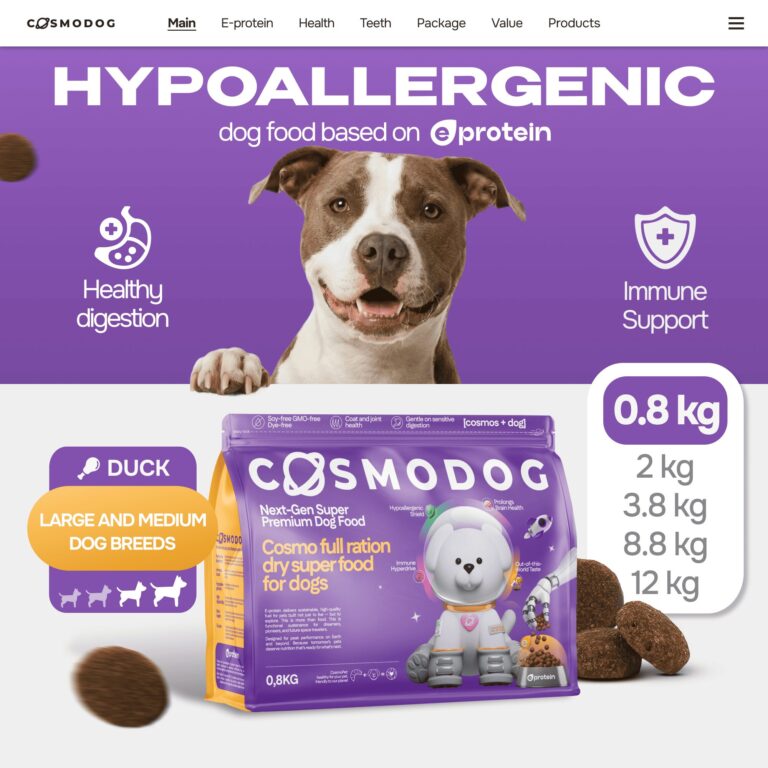
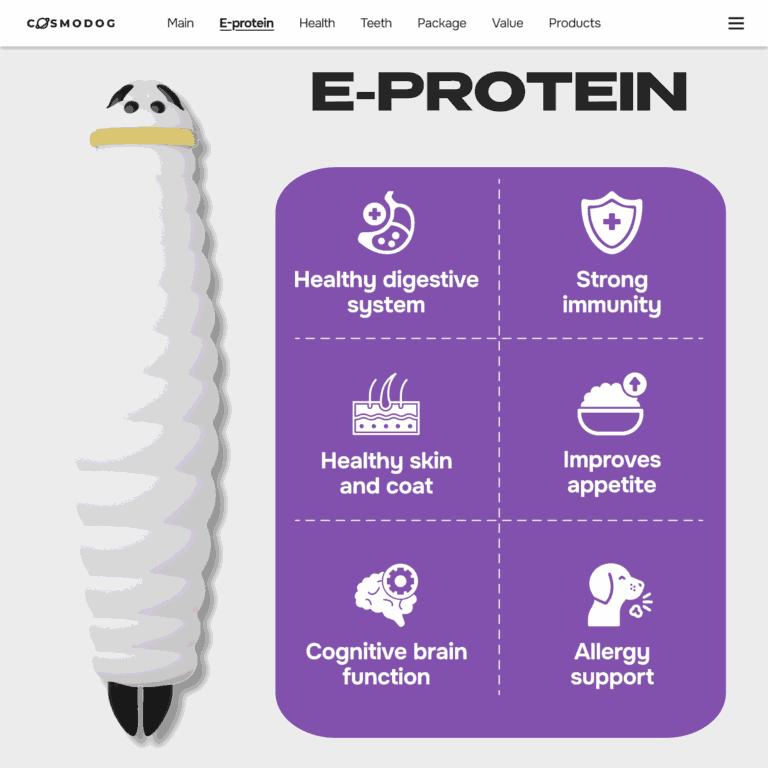
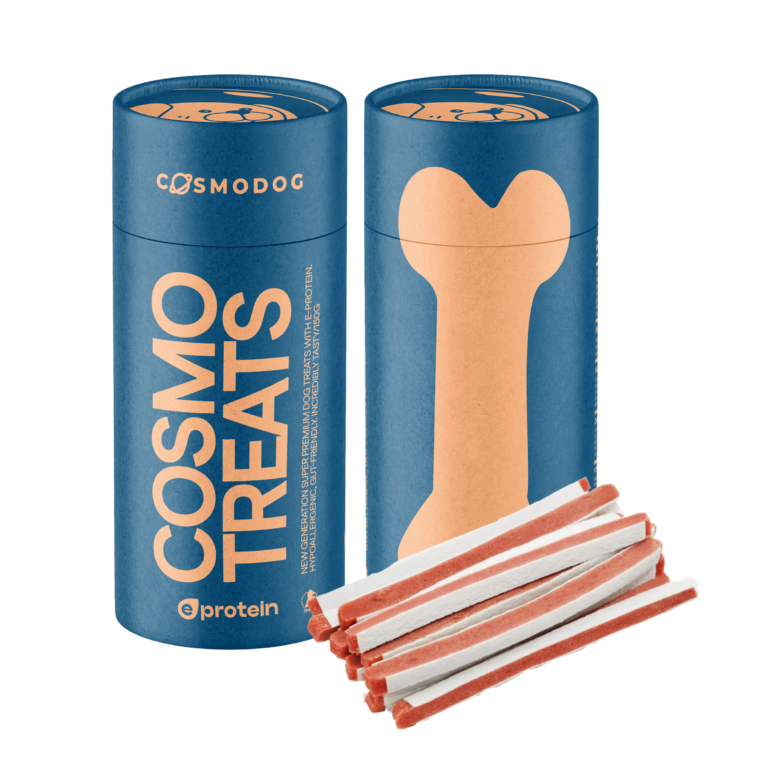
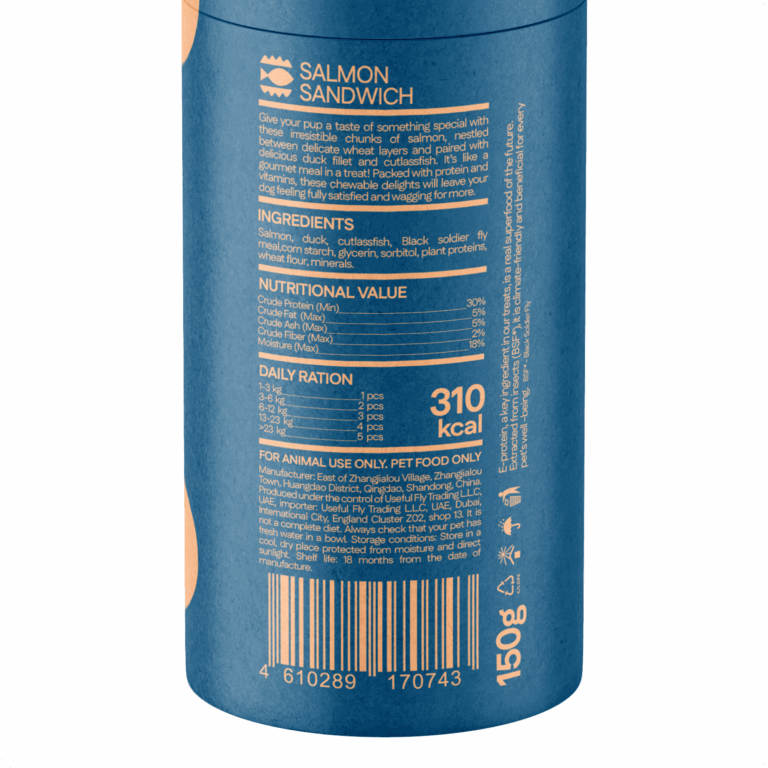
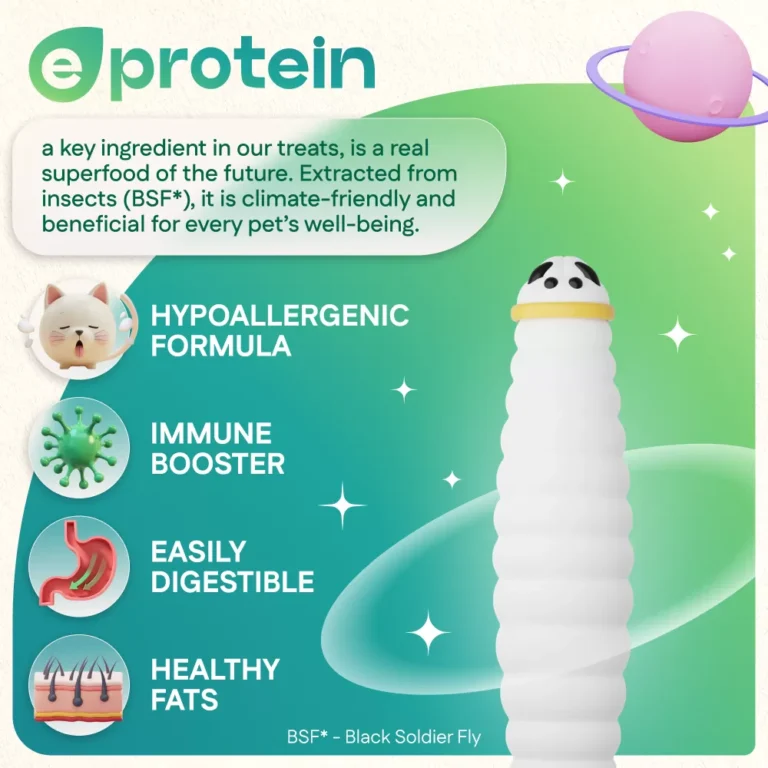
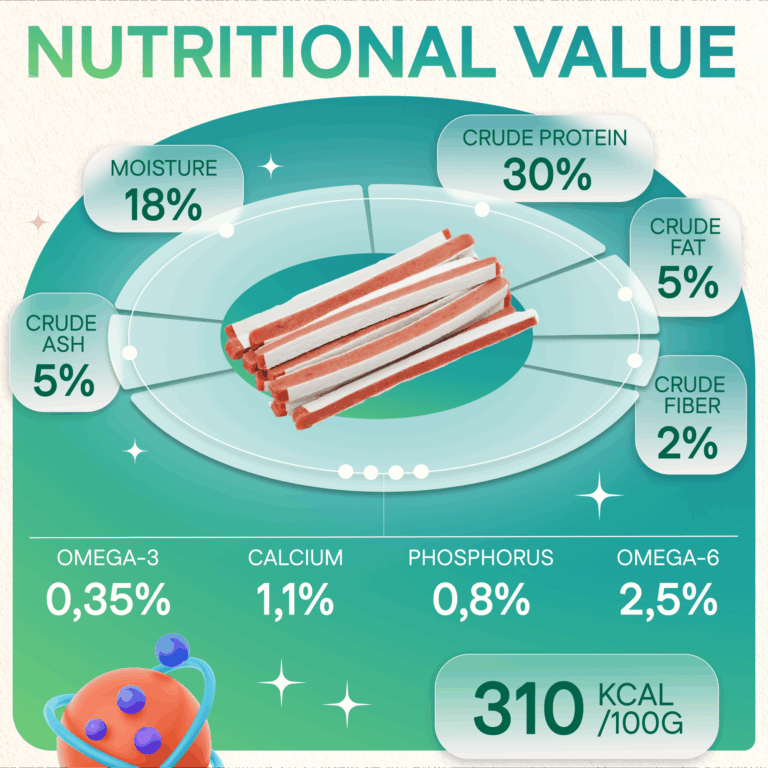
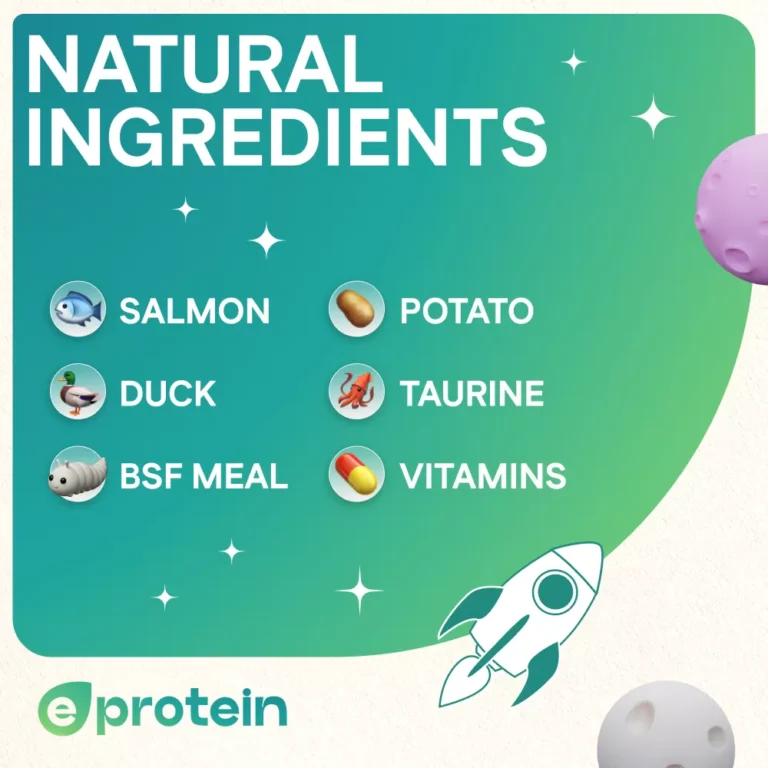
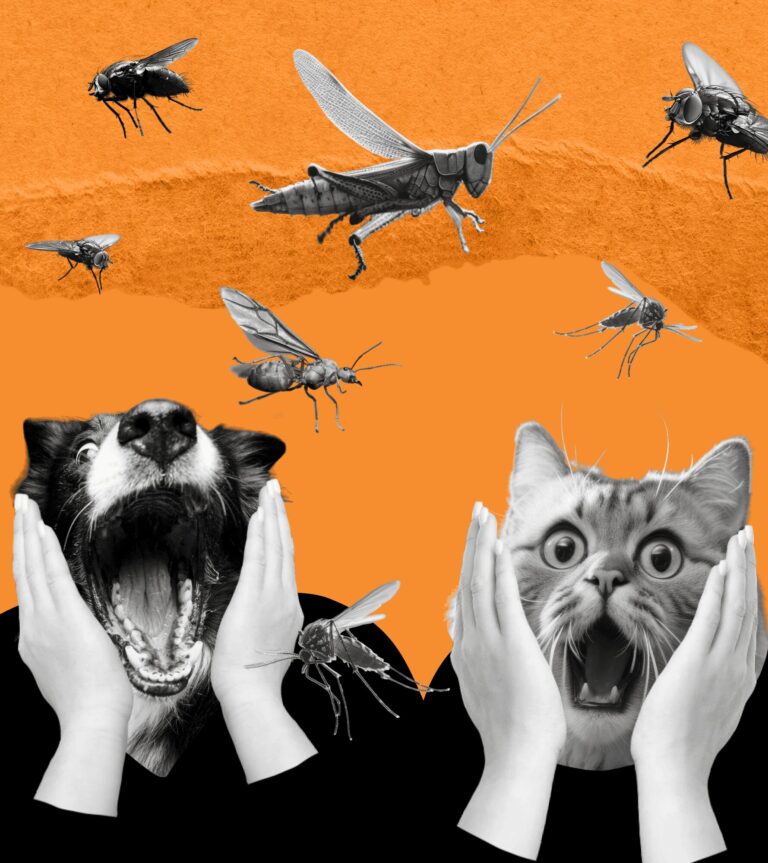
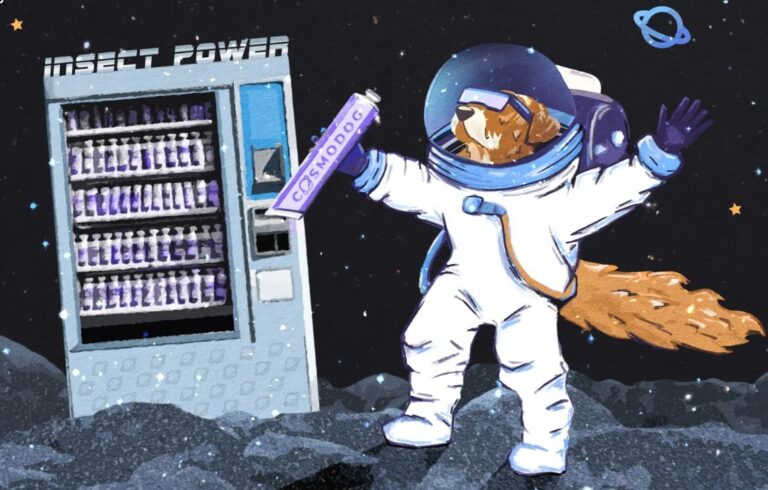
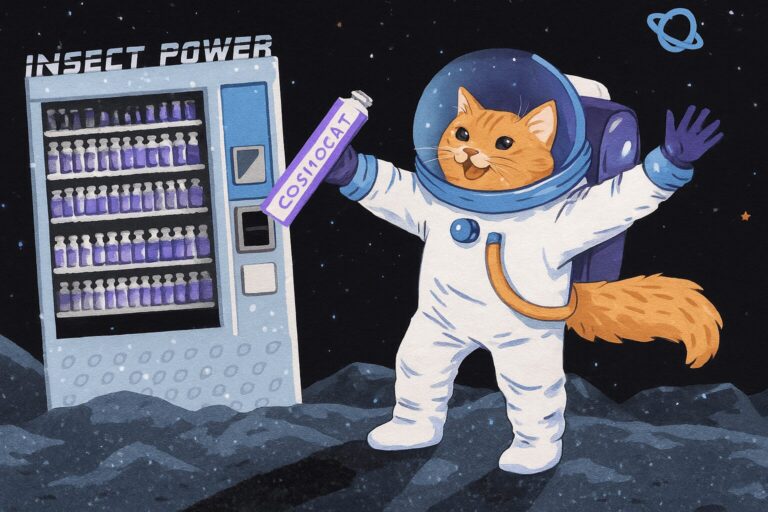
In response, insect-based diets with entoprotein appeared. Nutritious, hypoallergenic, and nearly footprint-free.
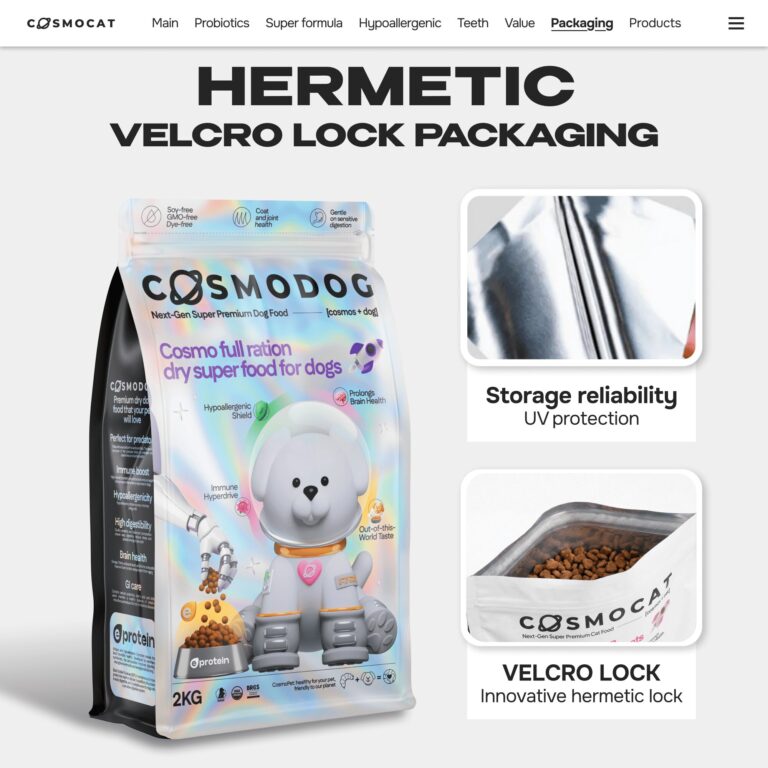
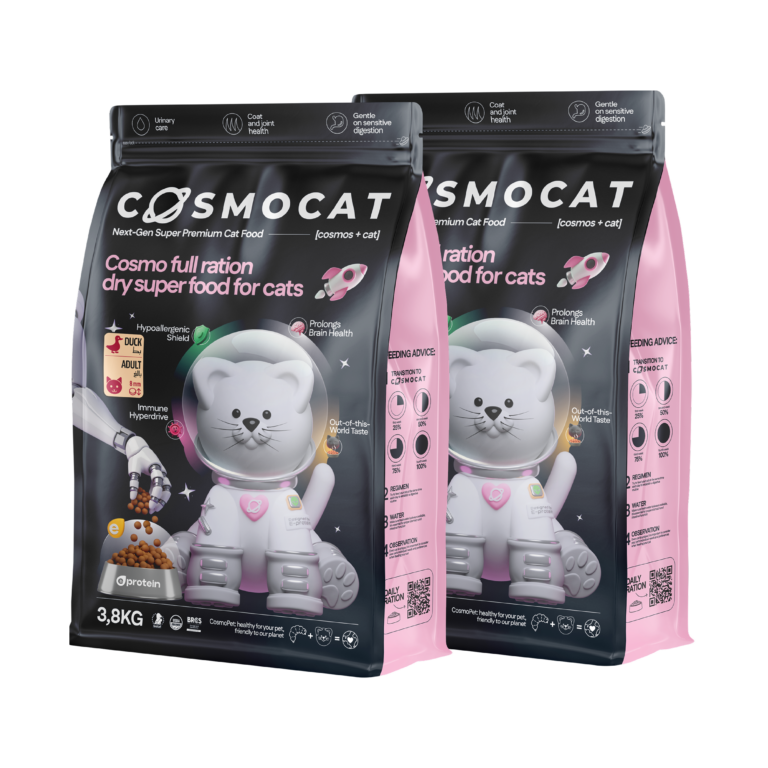
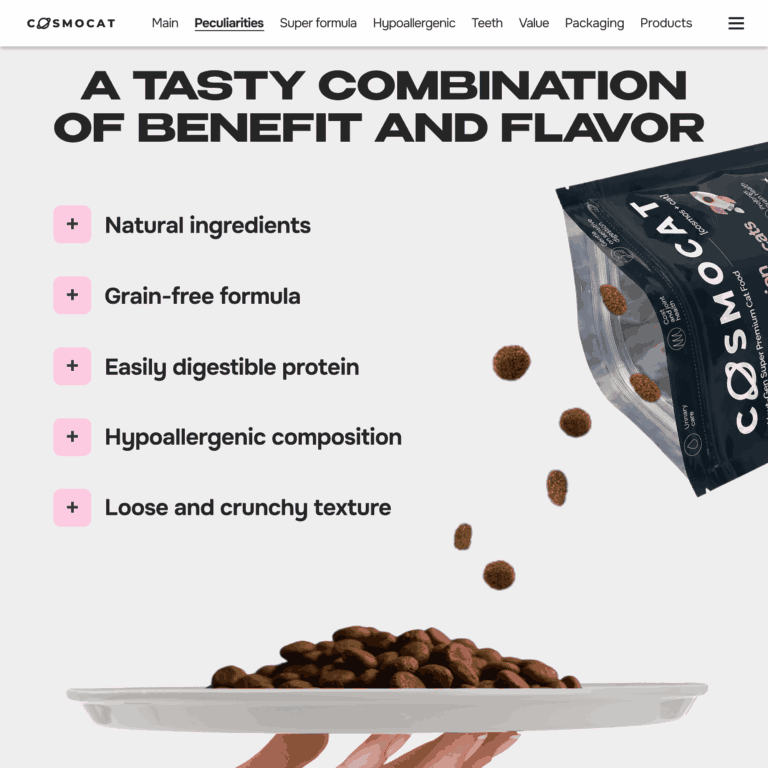
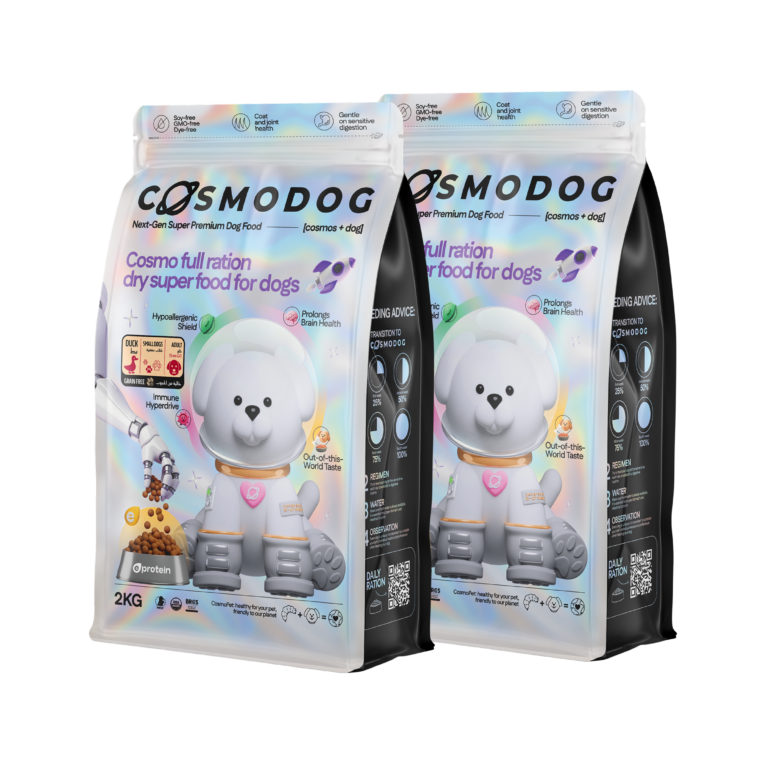
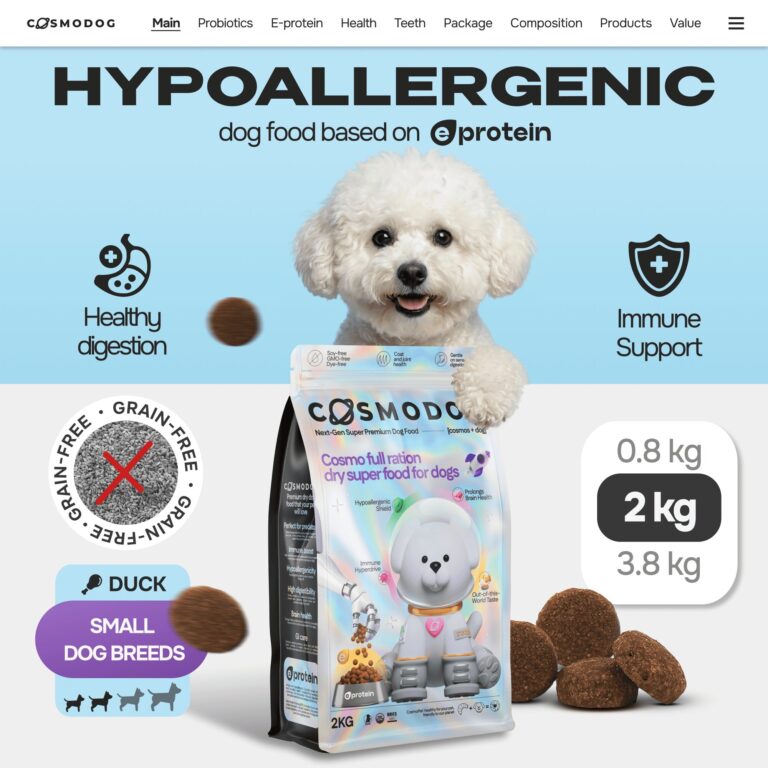
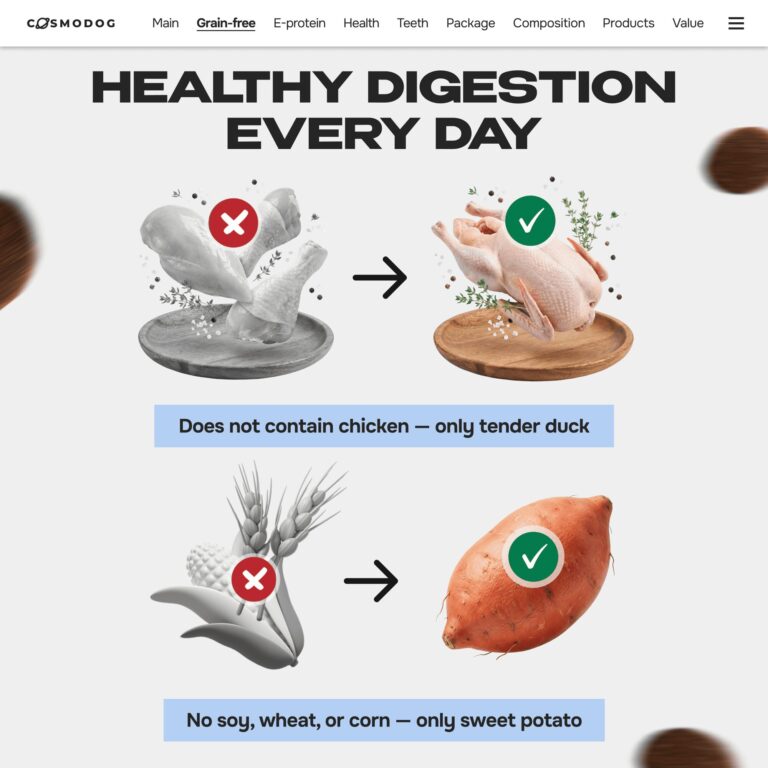
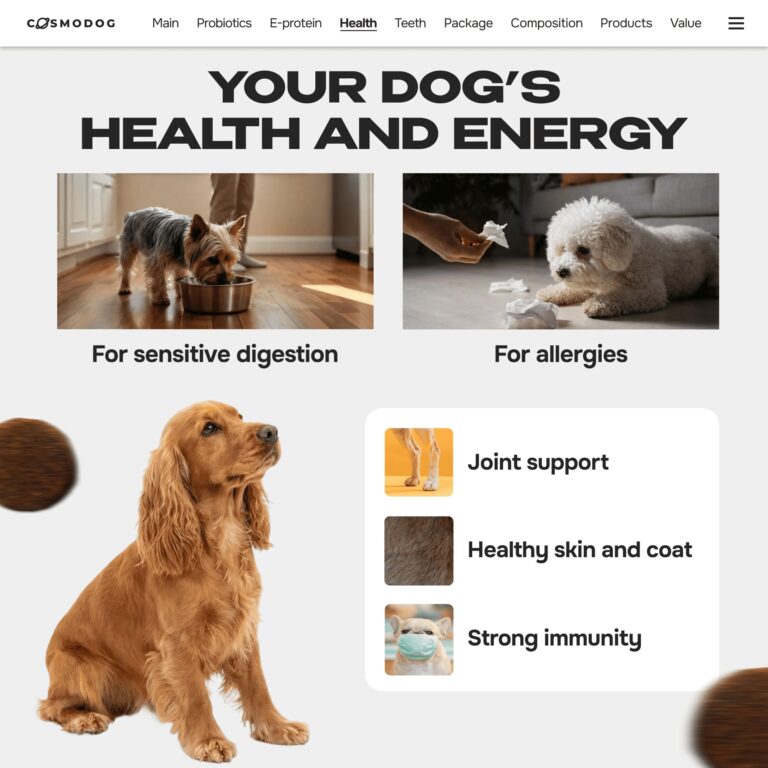
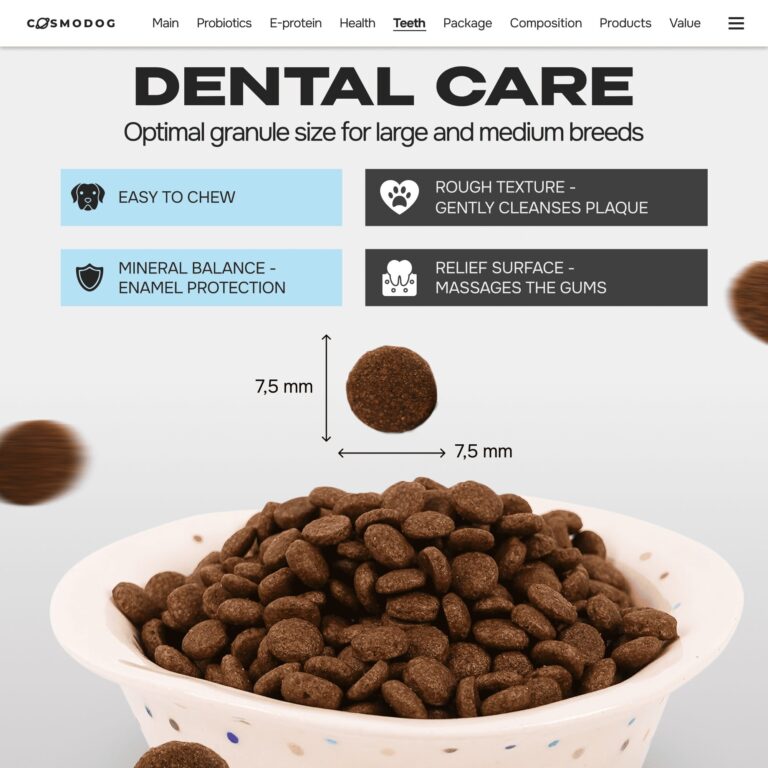
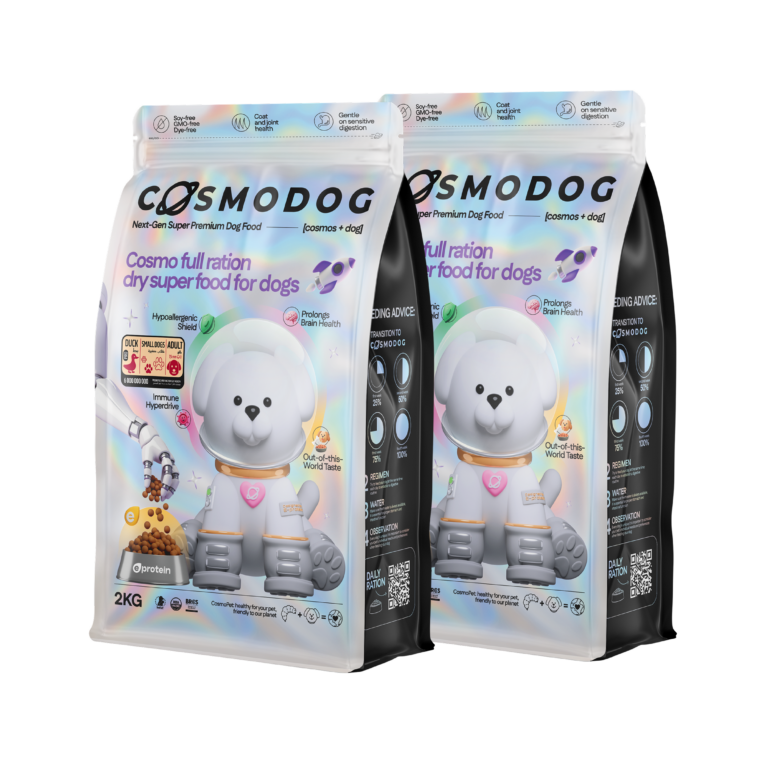
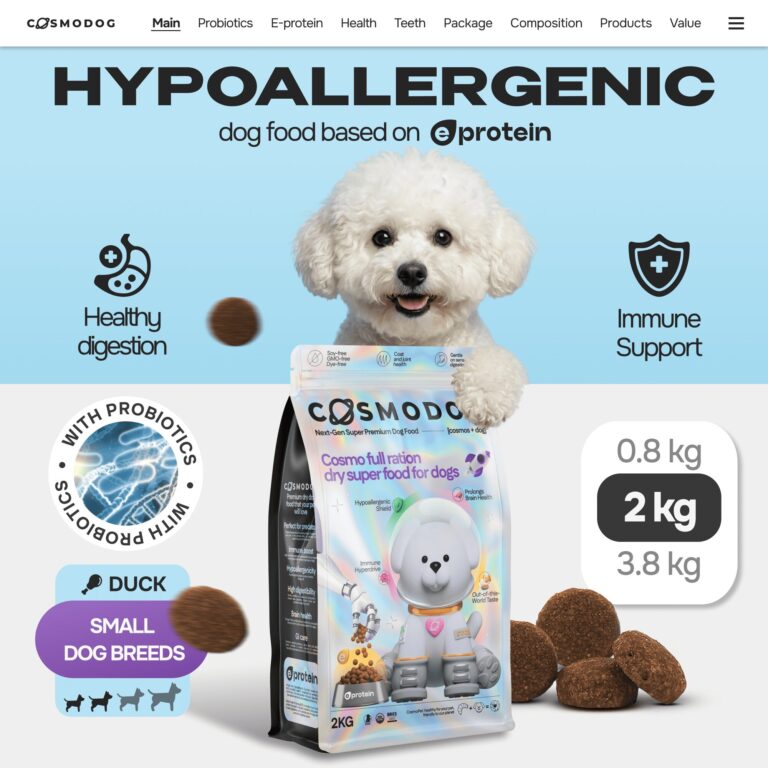
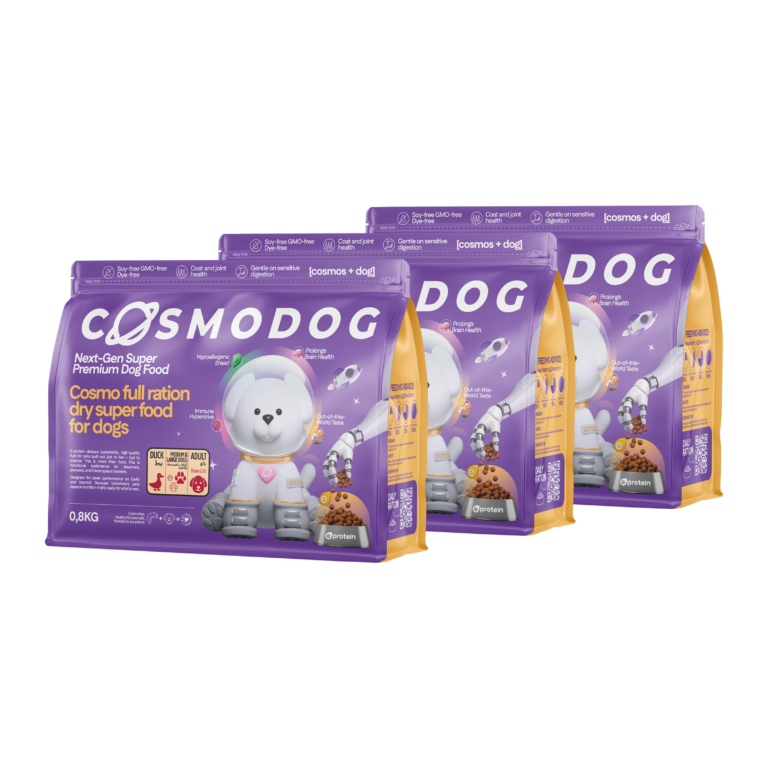
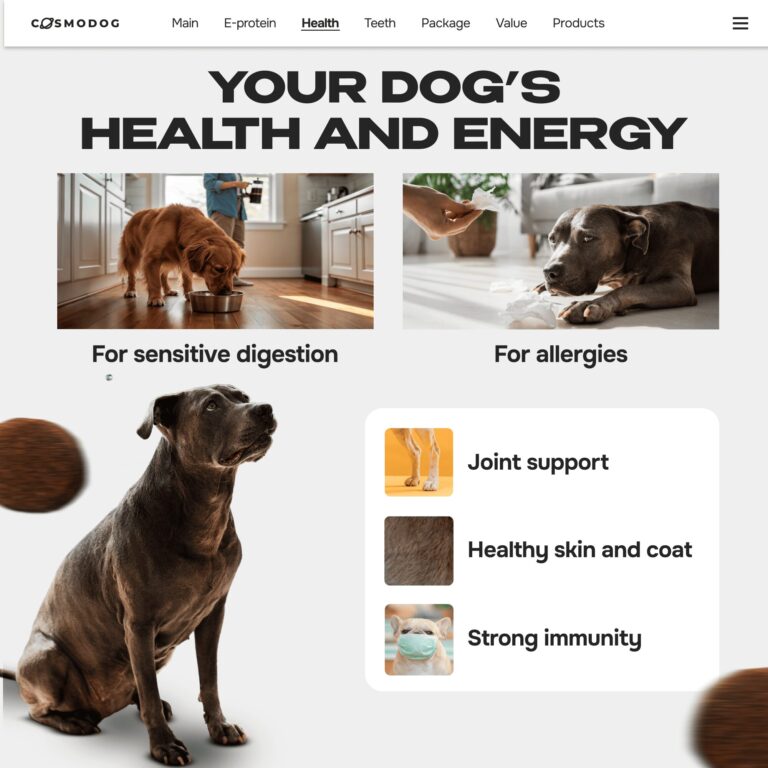
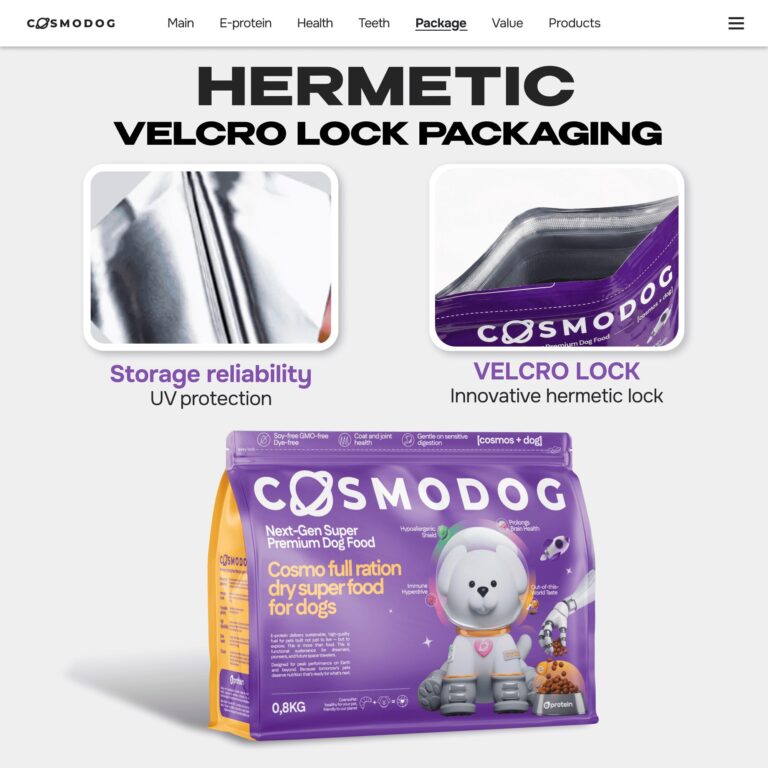
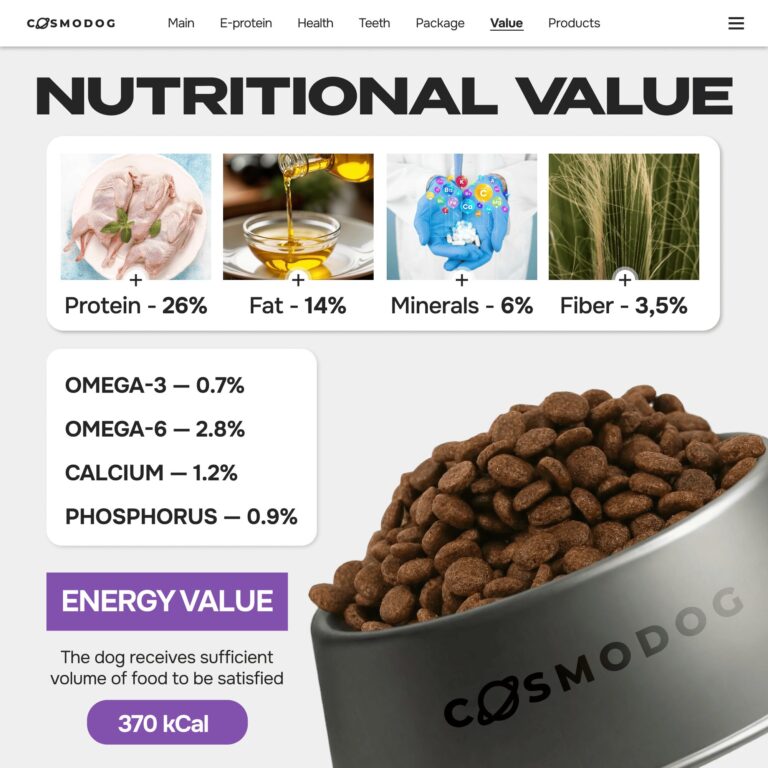
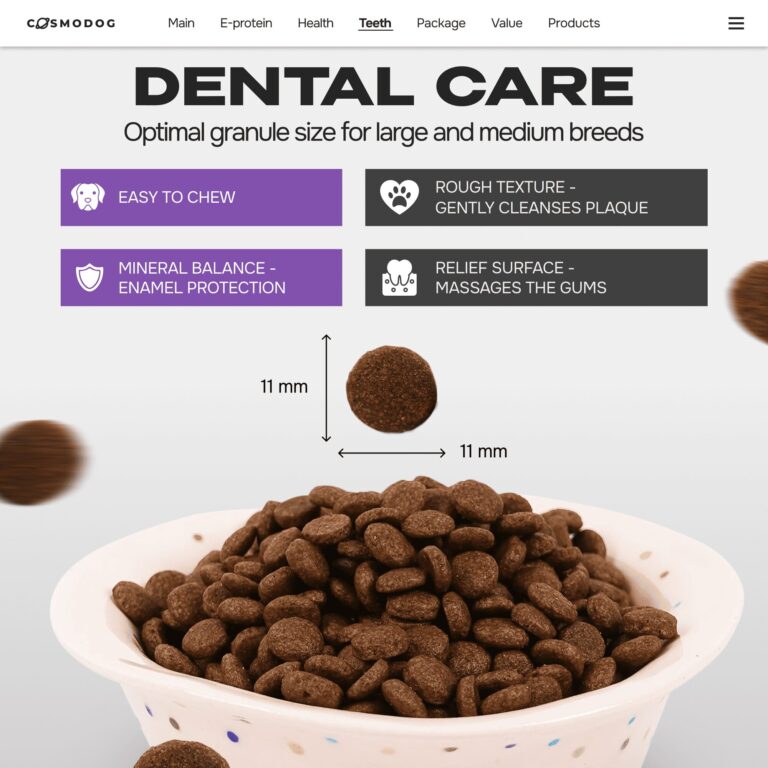
Cosmopet is one of the Russian companies to adapt this global shift: their line features natural formulas with high digestibility and a focus on food sensitivity. Cosmopet is already available on major marketplaces (OZON), and the brand’s Telegram subscribers receive exclusive discounts and direct access to veterinary experts.
Producing one kilogram of insect protein requires fifteen times less water than producing a kilogram of beef. Fewer resources, less harm but same nutrition. In just a few years, companies worldwide began offering alternative approaches to pet food. The UN, the EU, and dozens of countries approved insects in animal feed. By 2030, the global entoprotein pet food market is expected to reach $8 billion.
Pet food is no longer a utilitarian necessity. It has become a way to shape our relationship with animals in a rapidly changing world – a world defined by new norms, materials, and technologies. Behind every bowl now stands an entire system: production, logistics, design, regulation. And the further this system evolves, the clearer it becomes: pet food is no longer what’s left over – it’s what we create.








More interesting articles






, чтобы оставлять комментарии