


FEAR, HATRED, AND LOVE FOR INSECTS

We used to fear cockroaches, call flies the devil, and compare people to lice. Now we’re tasting crickets. Insects have always been with us – as omens of death, divine symbols, carriers of disease, or horror-movie villains. And yet, as they disappear, the familiar world seems to crumble with them.
This is a story about how our relationship with insects has changed – from fear to fascination, from myth to protein, from punishment to partnership in survival.
In ancient cultures, insects weren’t good or evil – they were natural. The Egyptians adored scarabs: the way beetles rolled balls of dung reminded them of the sun’s movement across the sky. In Greek mythology, bees were sacred – even the legendary King Minos, son of Zeus, was said to have transformed into one after death. Honey was divine, and bees were seen as the very essence of life.

Yet with worship came an obvious association: where there is death, there are insects. In the Epic of Gilgamesh, the hero realizes his friend’s death when he sees flies and worms on his friend’s body. In Indian mythology, a person with bad karma might be reborn as an insect – but killing a beetle would also damage one’s karma. The implication was clear: insects were not evil, merely a reflection of negative karma – something that could still be corrected. Here the first tension appeared: insects remained part of the natural order, but they already provoked unease – because they reminded us of the inevitable.
The medieval city was paradise for insects: no sewage systems, garbage in the streets, animals and people living side by side. Lice, fleas, and bedbugs thrived, becoming symbols of poverty, sin, and decay. In the Old Testament, locusts were God’s punishment; worms heralded rot; the Devil himself was nicknamed Beelzebub– the Lord of the Flies.
Things got even worse after the first plague epidemics. Insects crawled on the sick, swarmed “infected houses,” and covered the dead. No one yet knew that insects carried disease, but the coincidence was enough to seal their reputation. The Black Death became the breaking point – a plague that wiped out up to a third of Europe’s population. Street preachers compared cockroaches to demons; legends spread about their unholy nature. Even in painting, flies began to appear as quiet symbols of sin and decay or, as some historians suggest, reminders of human frailty.

The microscope made insects visible. For the first time, people could see the eyes, limbs, and jaws of a flea. Colonial explorers brought exotic beetles from South America and Africa, soon displayed in museums as curiosities. Insects no longer inspired religious awe. Now they were subjects of study. Some poets and aristocrats even began to admire them, collecting butterflies as a mark of taste and intellect. But cockroaches and spiders still haunted the poor.
By the late 19th century, fear of insects had entered a new phase. Doctors confirmed old suspicions: fleas carried plague, mosquitoes carried malaria. A war on insects began: sanitation rules, propaganda posters urging people to kill flies, and the first insecticides. Around the same time, theater directors invented the now-classic scene of a woman screaming at a cockroach. The trope would later migrate into cinema, advertising, and comics.
World wars turned insect imagery into propaganda. During World War I, both sides compared their enemies to cockroaches and parasites – an “invisible foe” that infects and destroys from within. The metaphor wasn’t random: trench warfare was a breeding ground for lice and fleas, with soldiers unable to wash or change clothes for months.
Over a million soldiers were infected with the so-called “trench fever”. Symptoms included anxiety, constant itching, and an overwhelming sense of filth. Such conditions would later be recognized as early forms of post-traumatic stress disorder.
In World War II, insects became more than a metaphor – they became a part of state ideology and an instrument of mass destruction. Nazi Germany systematically dehumanized Jews as “lice”, the Holocaust itself was framed as “disinfection”. A simple symbol became a tool of genocide.

The postwar film industry created a new horror subgenre – insect horror: stories about creatures that, through human folly or nature’s whim, spiral out of control. In Them! (1954), ants mutate after nuclear tests and begin to destroy everything alive. In The Fly (1958), a fly slips into a teleportation pod and merges with a man. In Alien (1979), fear reaches its peak – an insectoid predator implants itself as a larva inside the human body, then bursts out to kill. These weren’t just monsters – they embodied the ultimate fear: losing control.
The 21st century revealed we were fighting the wrong enemy. Insects began to disappear – and with them, the world’s balance: crops failed, birds died, soil weakened. Biologists had warned of fragile ecosystems and collapsing food chains since the 1970s, but few listened. When bees, the pollinators of a third of the world’s food, began to vanish, the consequences hit supermarket shelves.
It turned out that butterflies, moths, and dung beetles were also dying out. Studies show that nearly 40% of insect species are at risk now, with their numbers dropping by 2.5% every year. That means every decade, we lose a quarter of them. Right now, China hand-pollinates its trees due to a shortage of bees. India compensates with more pesticides, while American farmers rent hives to keep crops alive. Meanwhile, a new circular economy is emerging – where insect by-products are reused in agriculture and pet nutrition.
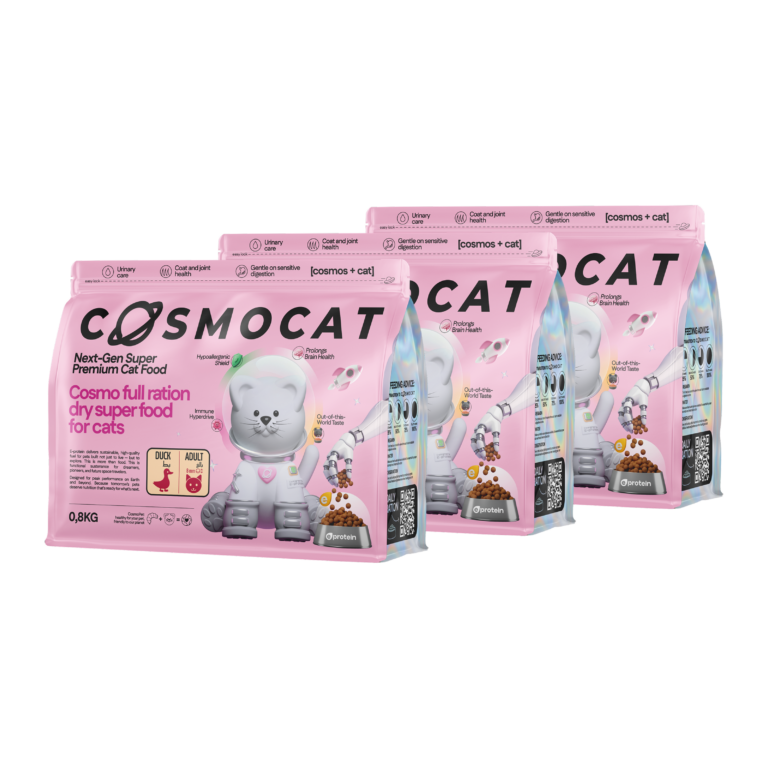
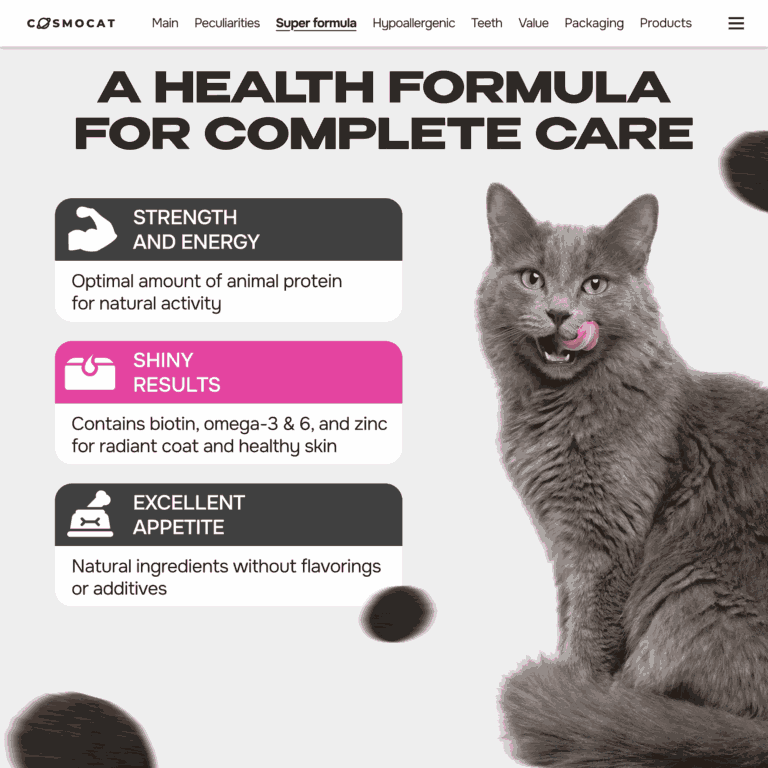
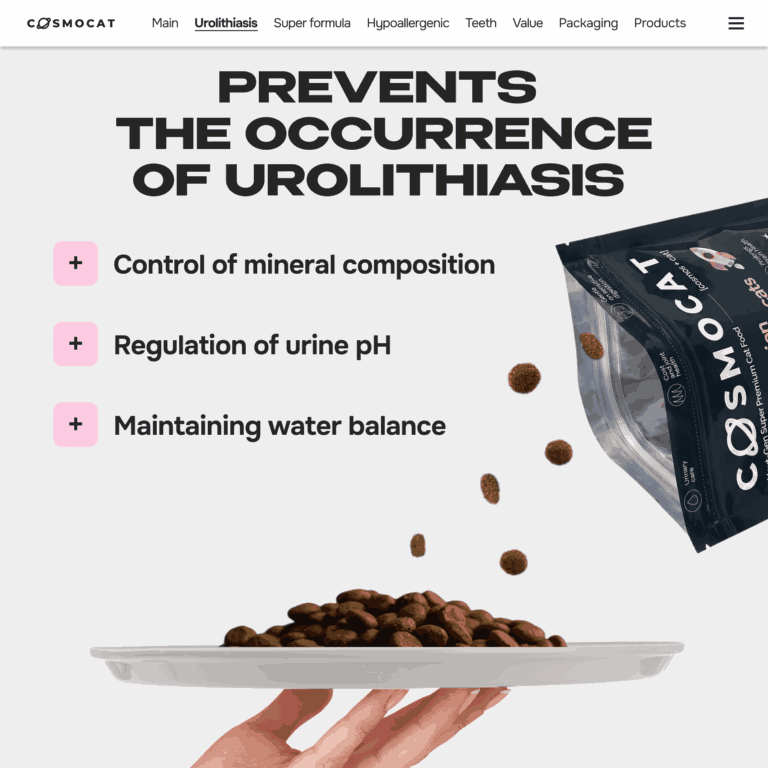
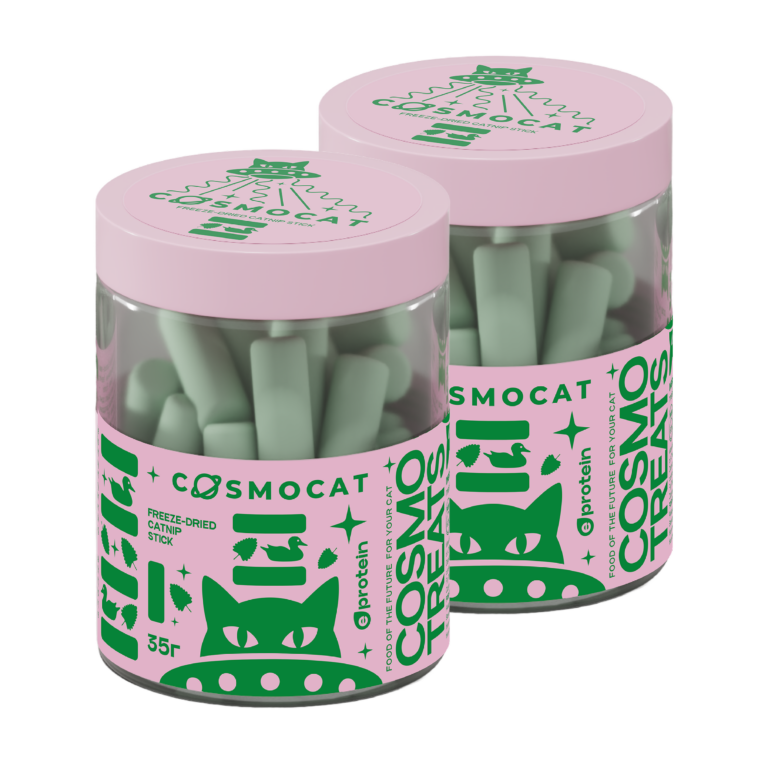
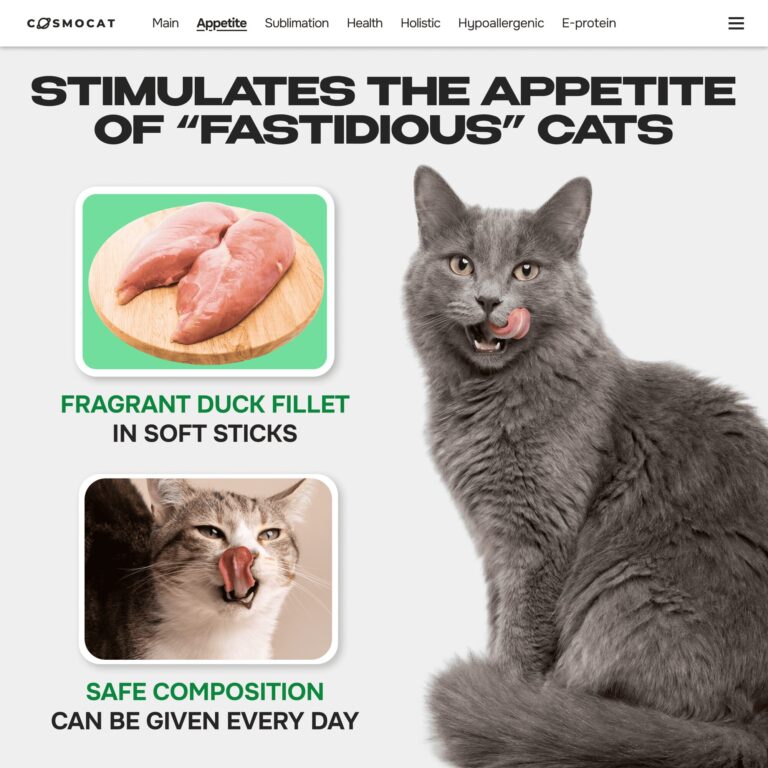
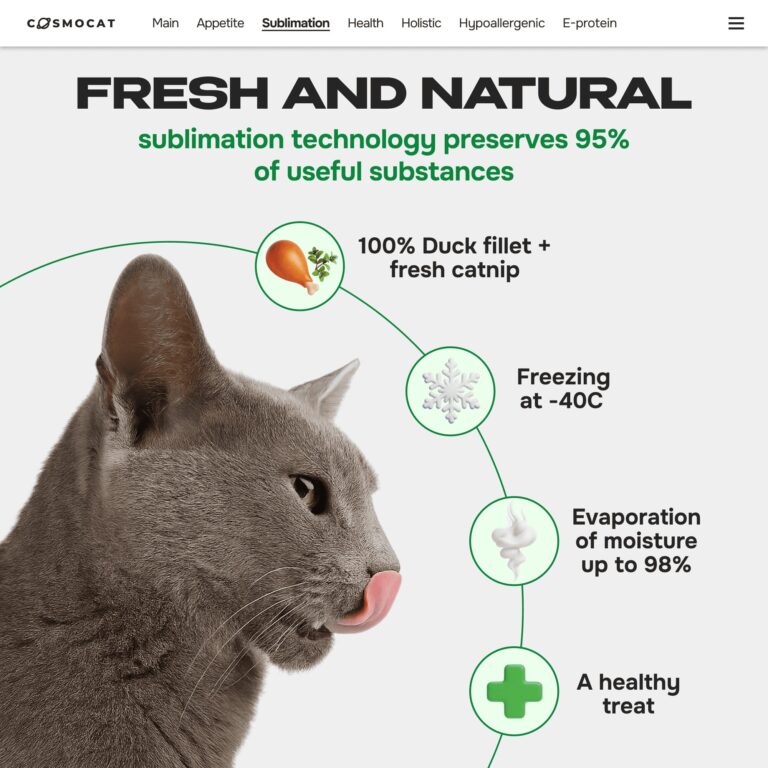
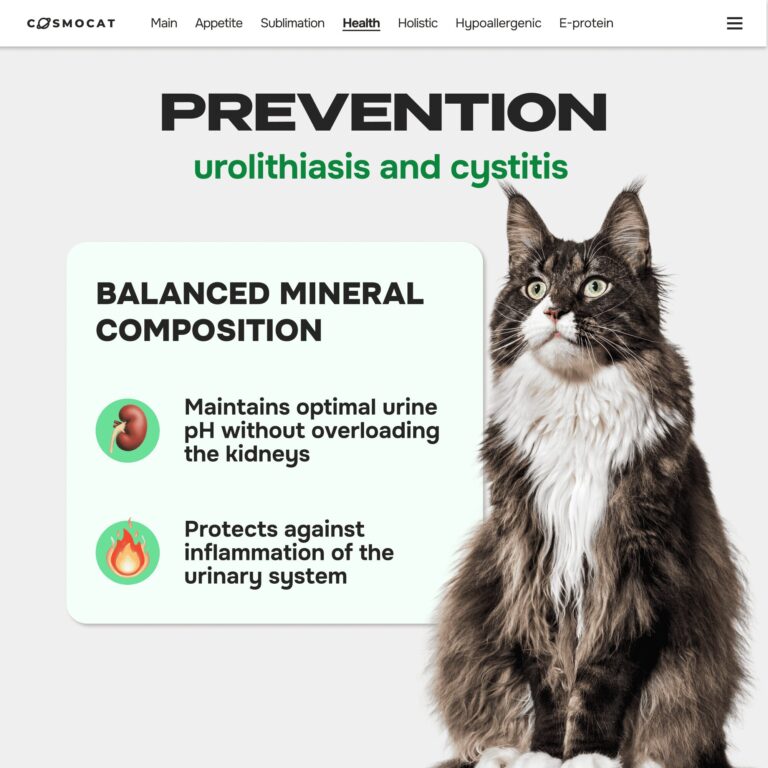
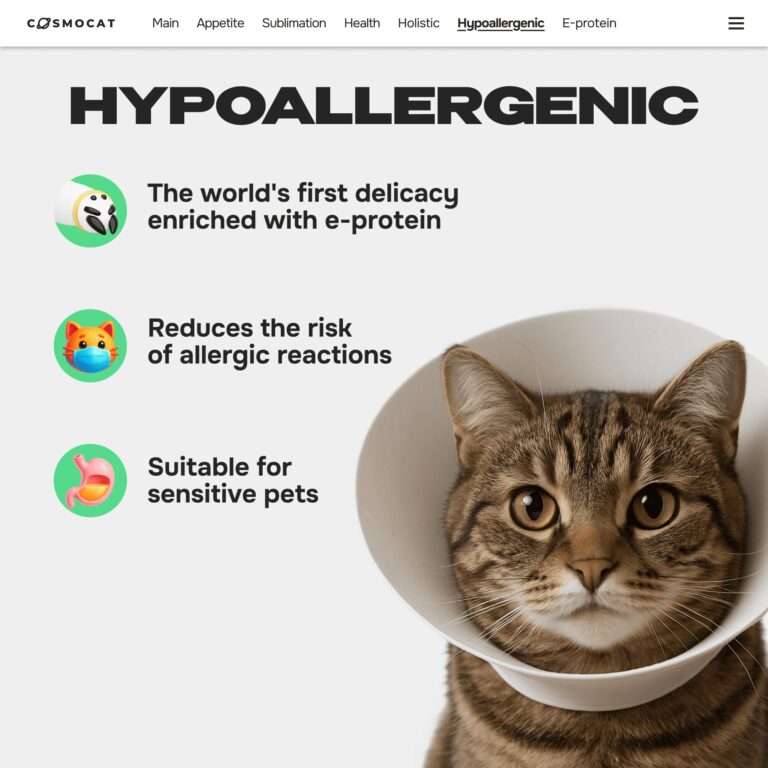
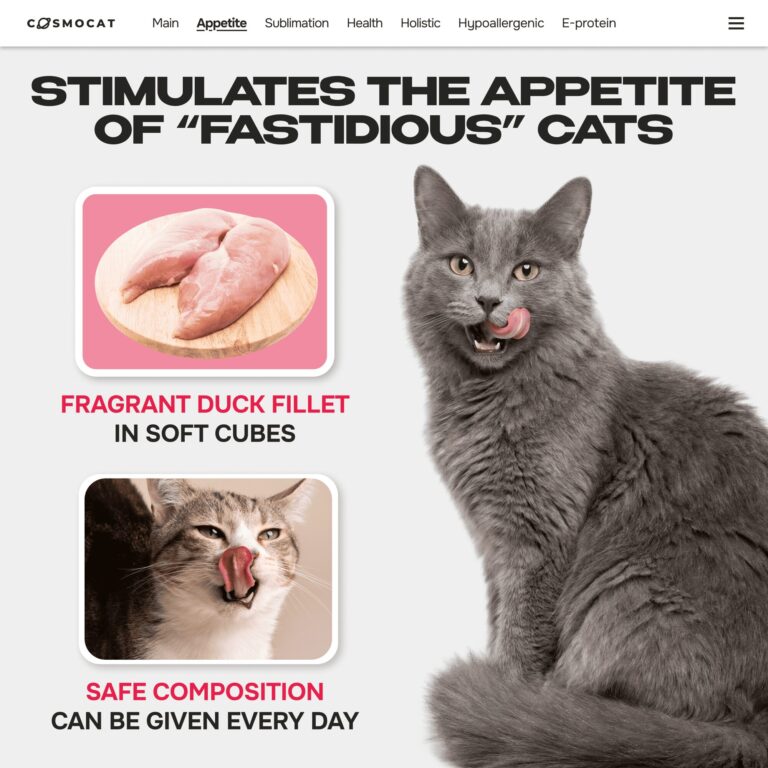
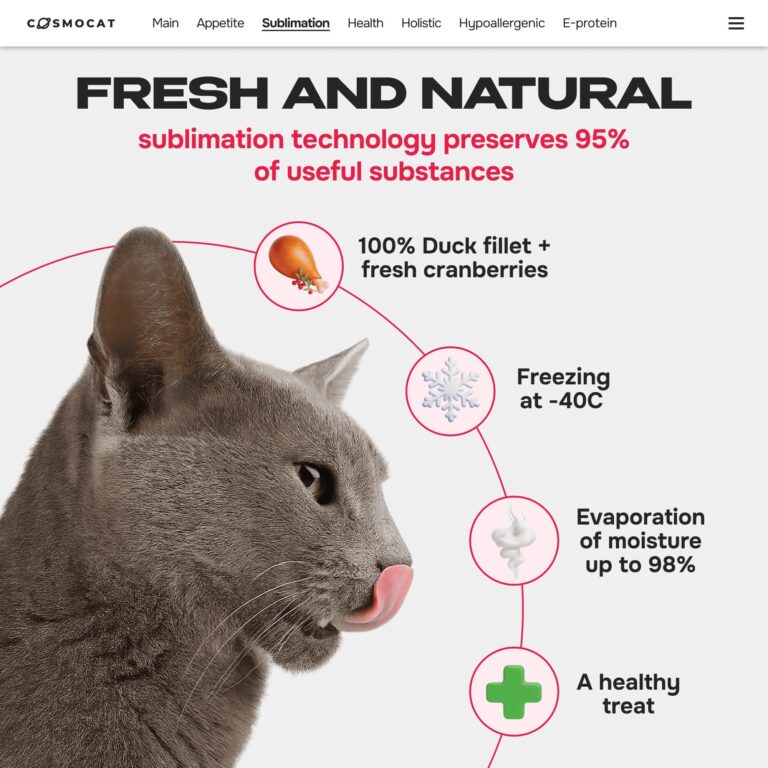
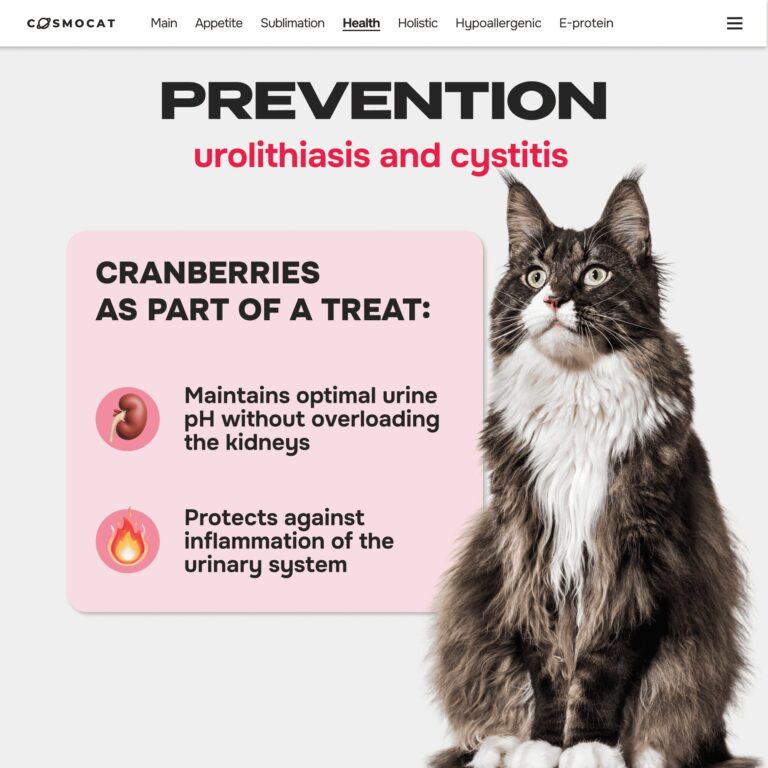
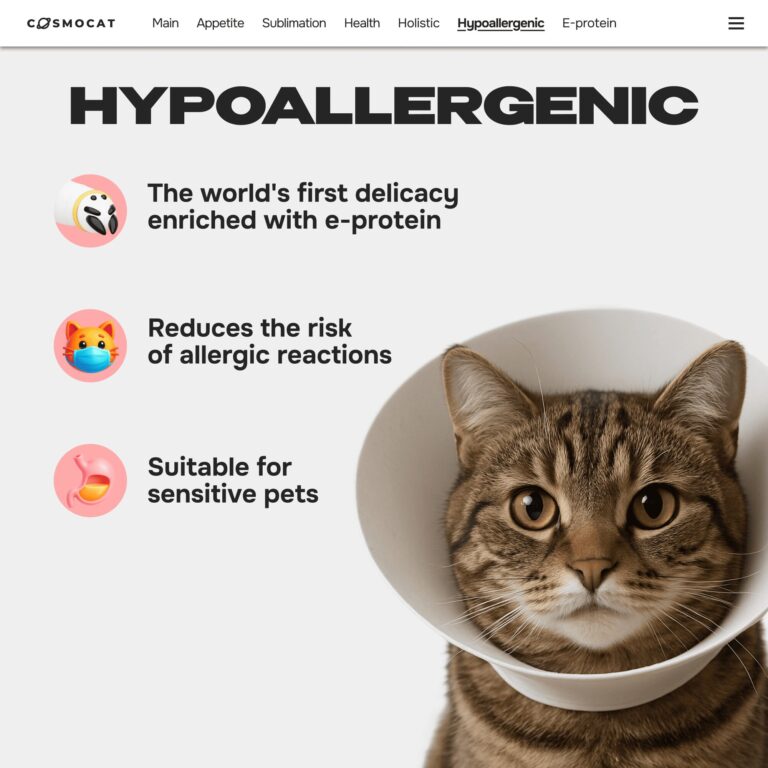
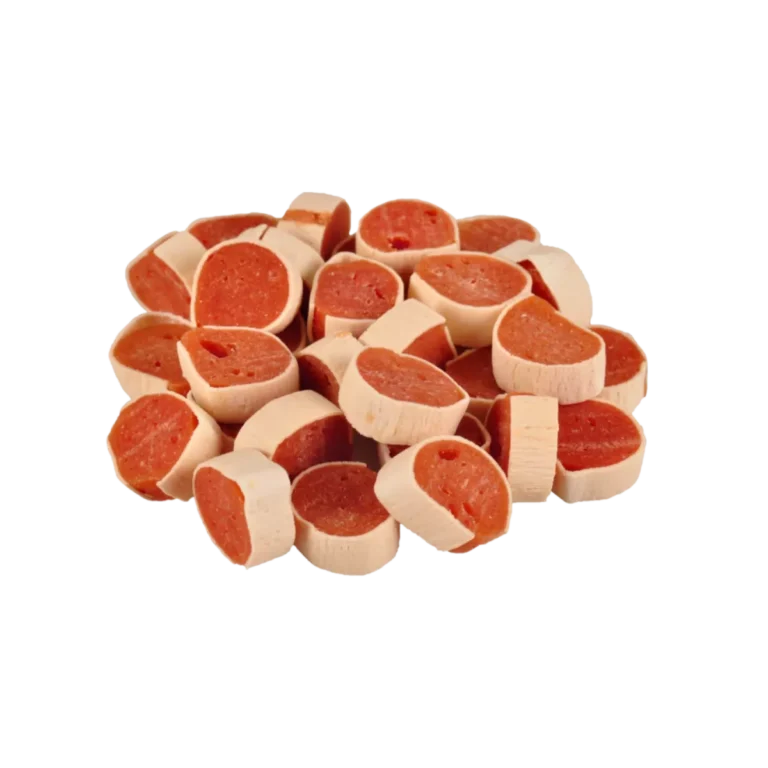
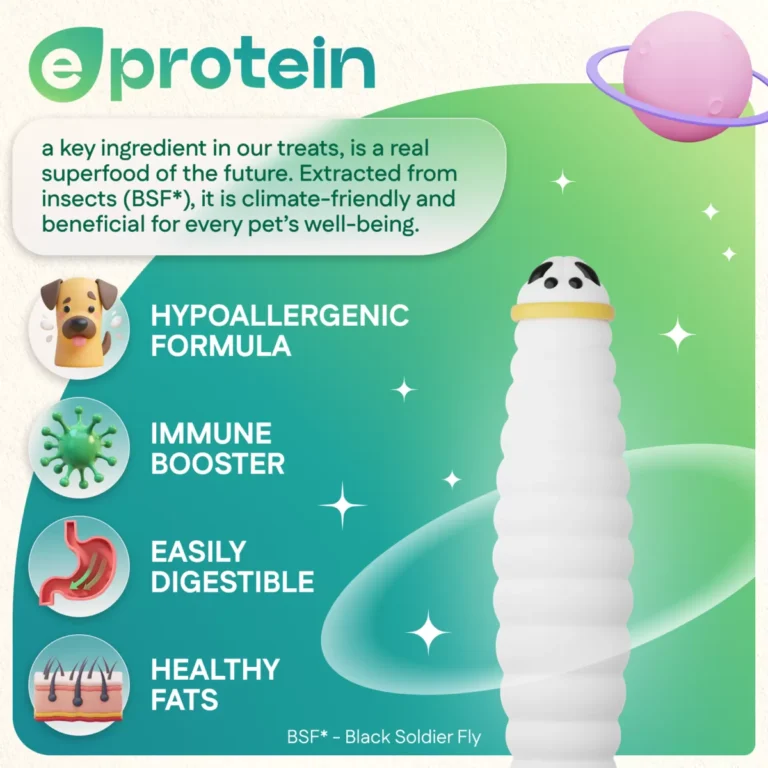
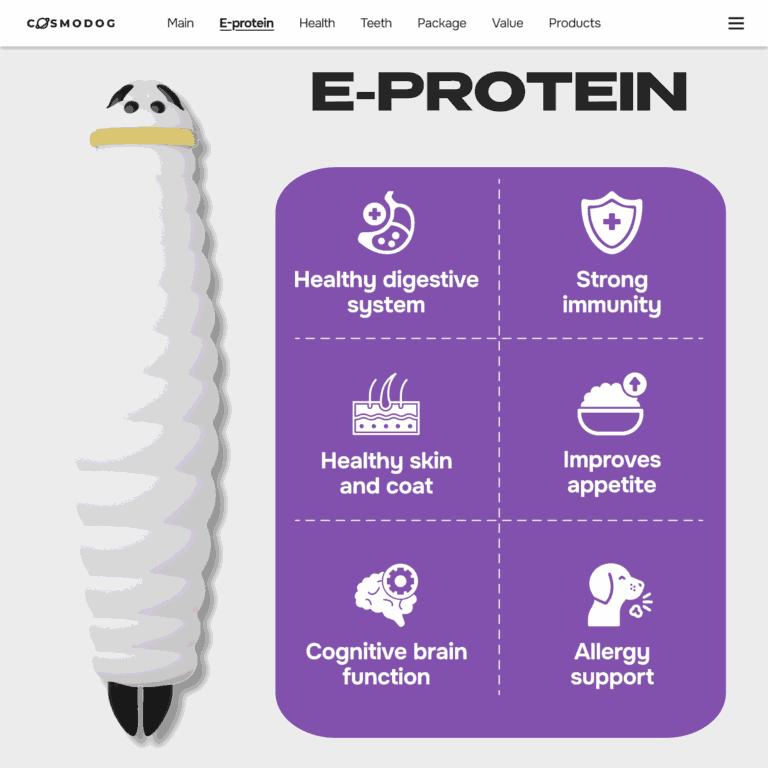
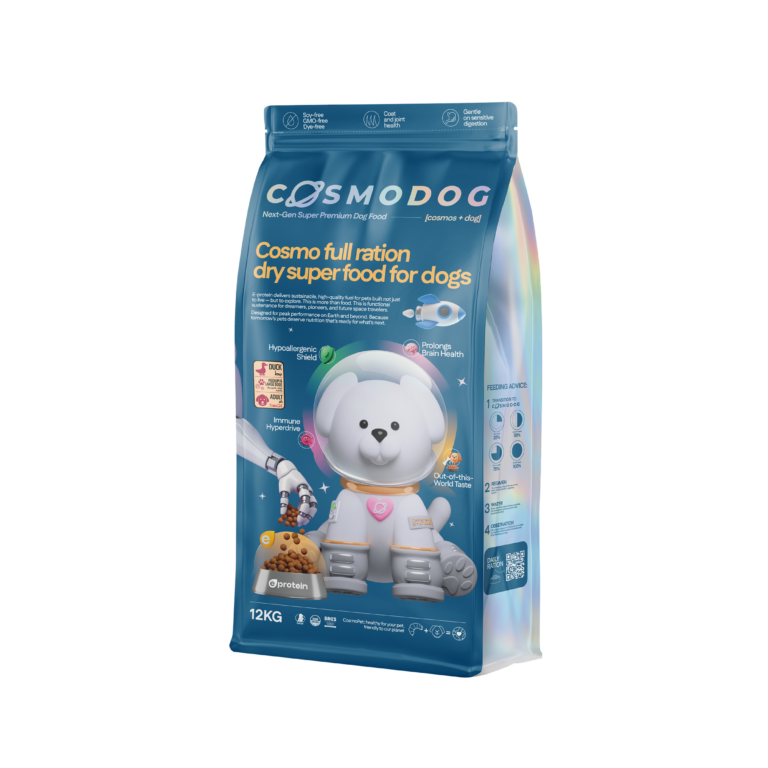
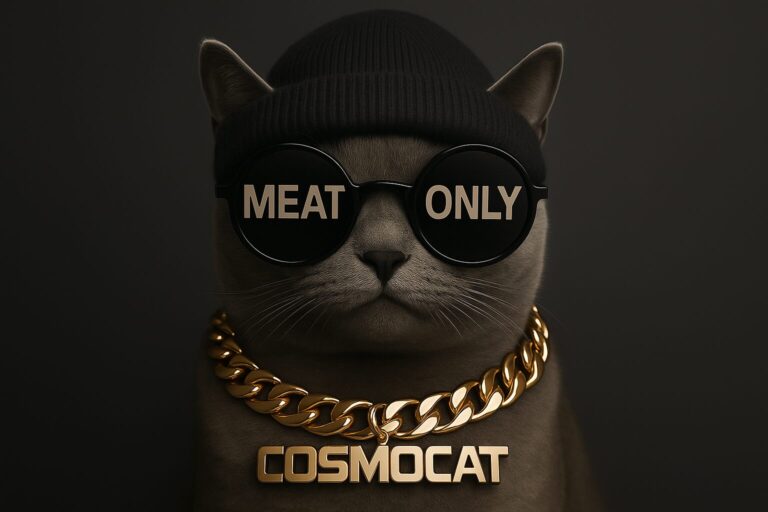
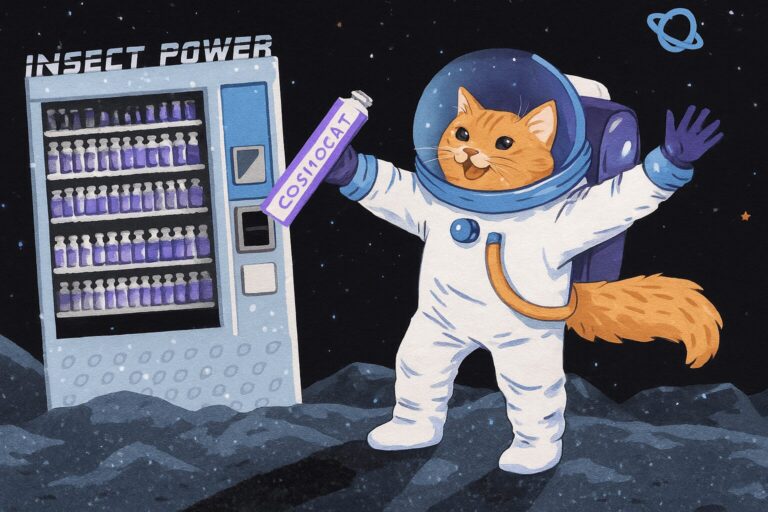
For instance, Cosmopet uses highly digestible insect protein in its hypoallergenic Cosmocat dry food for cats. The formula is easy to digest, helps reduce stress, and prevent FLUTD – all based on natural ingredients carefully selected by veterinary nutritionists.
If the darkest predictions of scientists come true, in a hundred years the insects will be gone, the food chains will break and the world will change beyond recognition. Mass culture responds to this with irony. In Bee Movie (2007), a bee sues humanity for stealing honey and actually wins the case. In Pixar’s WALL·E (2008), the robot hero’s only friend is a cockroach. In Ant-Man (2015), a Marvel superhero shrinks to the size of an ant, communicates with the swarm, and saves the world. Our fear of losing insects has flipped our attitude toward them. Now they are beings to protect and not pests to crush, partners in survival and not parasites, a vital resource and not a threat.

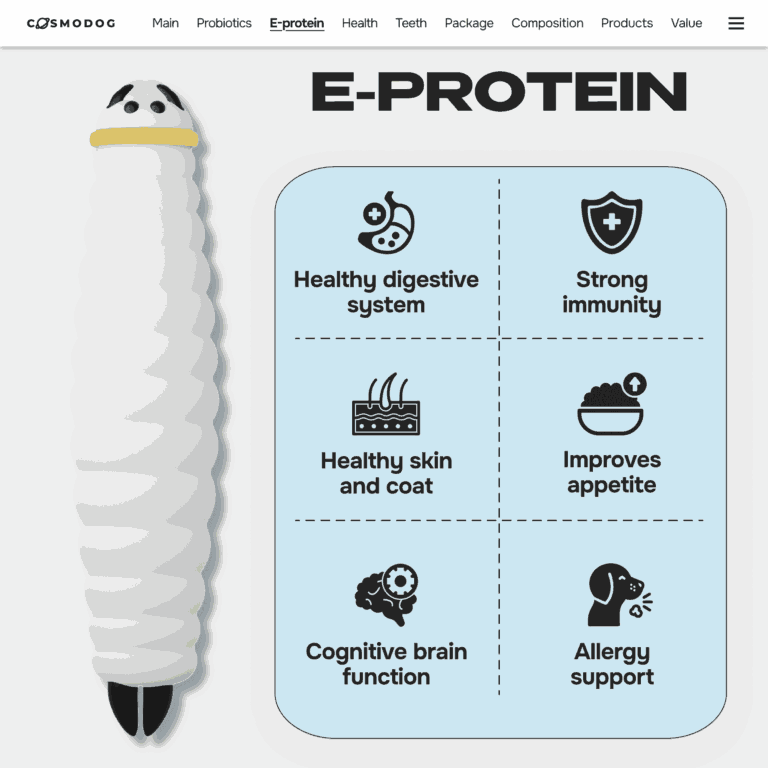
Paradoxically, the best way to save insects may be to eat them.At the intersection of climate and food security crises, the entoprotein (protein derived from insects) industry was born. Farms raising crickets, silkworms, and black soldier fly larvae have sprung up across the world, producing food, cosmetics, animal feed, and fertilizers. It may sound like exploitation – but in reality, it helps restore balance to the ecosystem.
Raising insects requires hundreds of times less water, land, and energy than traditional livestock farming. Local production reduces emissions and pressure on forests, where wild insects still live. Entoprotein won’t replace conventional protein entirely, but it can ease the strain on land and water, lower greenhouse gas emissions, and make ecosystems more resilient.
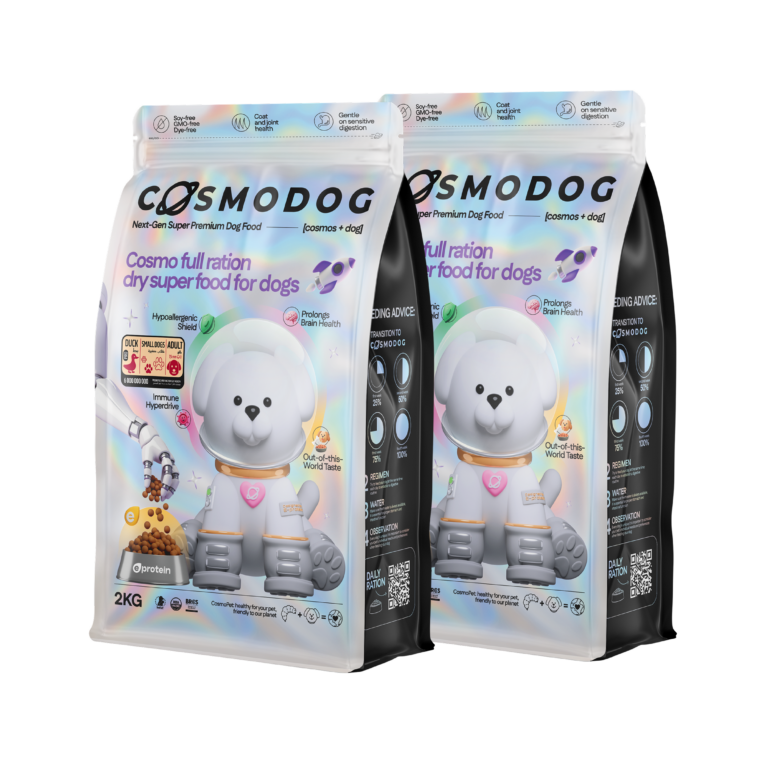
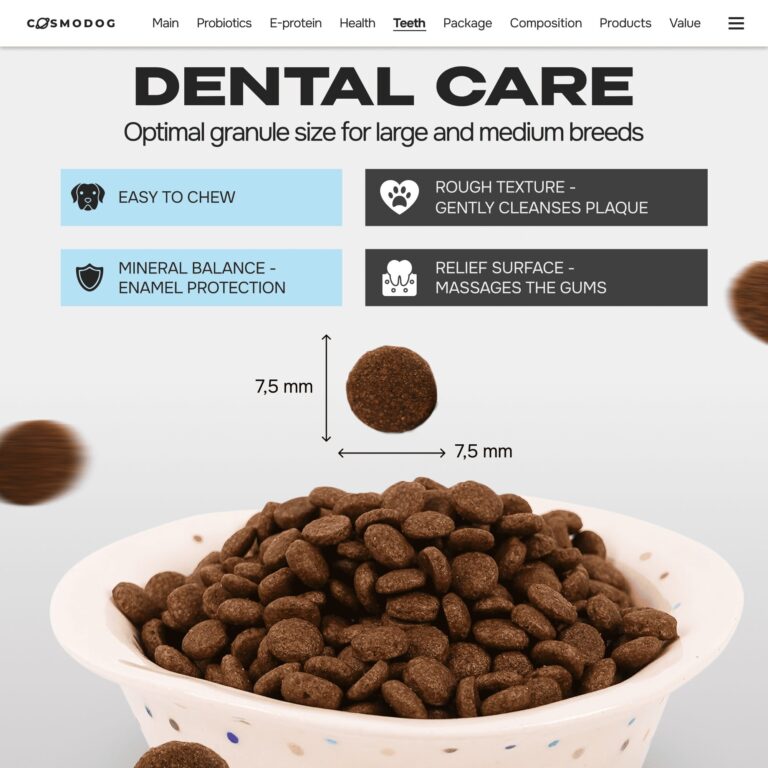
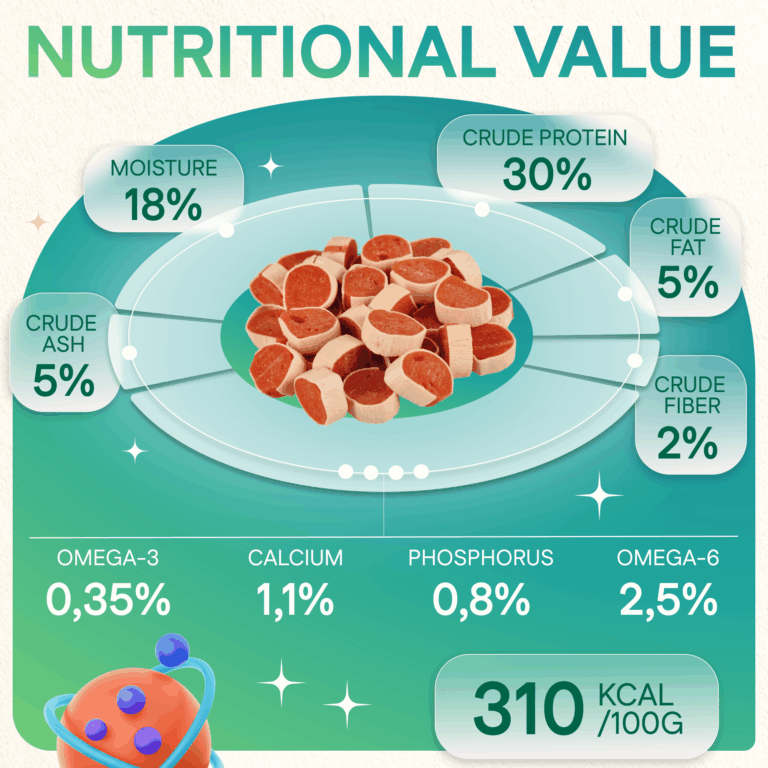
The same principles already shape pet nutrition: for example, Cosmopet formulas achieve a protein digestibility rate above 90% and contain no artificial additives.
You can find them on Cosmopet’s official store on OZON – and followers of the brand’s Telegram channel can even get an exclusive discount.
Creating an entire industry around insects hasn’t turned them into heroes but it has freed them from being villains. They are no longer symbols of poverty, disease, or death. No longer divine punishment or embodiment of sin. No longer propaganda tools or horror tropes. They are simply another biological resource – one we are finally learning to consider.





































More interesting articles




, чтобы оставлять комментарии