


THE FUTURE IS ALREADY HERE– AND IT SMELLS LIKE CRICKETS

Over the past decade, insects have reshaped the global market. They’re now farmed for food and feed, used in cosmetics and medicine, and even turned into building materials. Corporations are investing millions of dollars into black soldier fly farms – insects with dozens of industrial applications.
The combined market surrounding insects is valued at more than $6 billion. Insects are expected to help prevent a global food crisis – and even support humanity during space colonization. They used to crawl unnoticed beneath our feet, yet have now become a key resource of the new economy. Here’s how insects are taking over the world, and why this might save us.

WHY EATING INSECTS MAKES SENSE
In 2012, environmental scientist Patrick Crowley started thinking about the staggering amounts of food and water required to produce animal protein. Over the past year, humans consumed roughly 340 million tons of meat, costing us nearly a third of all arable land, up to 20% of global freshwater, and around 18% of total greenhouse gas emissions. Producing protein from insects would require 10–15 times less land and water, while emissions would be nearly minimal.
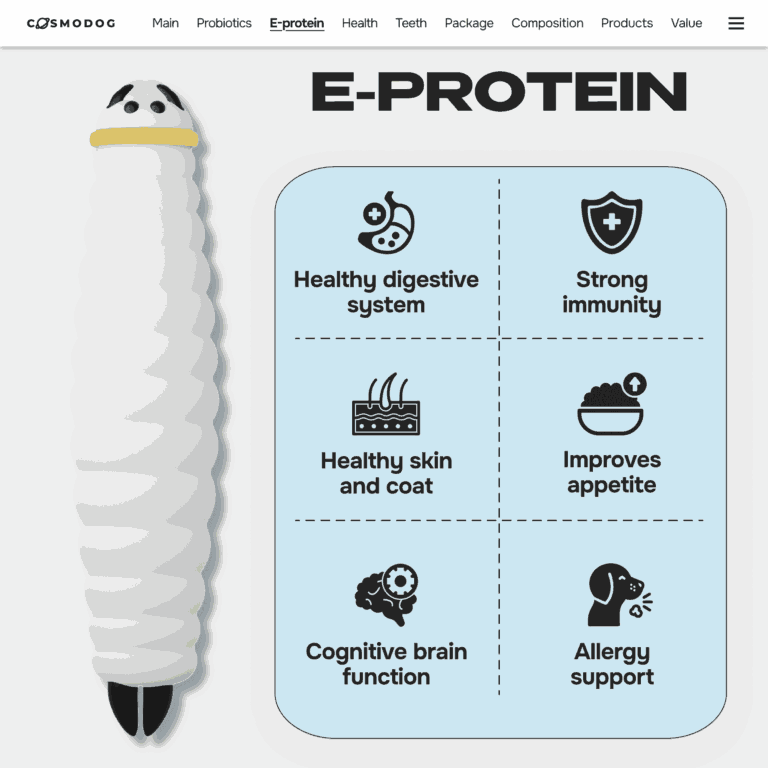
Crowley became the first to sell snack bars made from entoprotein – insect protein. At first, his company Chapul focused on cricket-based bars. Soon Patrick secured his first investment of $50,000. It happened live on Shark Tank, the American TV show where entrepreneurs pitch their ideas to investors. Since then, Chapul has grown into a multimillion-dollar project with federal support, now developing industrial waste-processing technologies using insects.
Today entoprotein-based foods are sold in more than 50 countries. Asia, where insects have long been part of the culinary tradition, is rapidly scaling production.
The European Union has approved the use of insect protein in mass-market food production. The United States offers entoprotein in every imaginable form: bread, pasta, cookies, muffins, chips, ice cream, even granola – all made from insects. You can find them in supermarkets and online marketplaces. The range of ingredients goes far beyond crickets and grasshoppers: locusts, silkworms, and mealworms are widely used – all rich in highly digestible protein. Restaurants and bakeries specializing in entoprotein are spreading far beyond Asia. Chefs are retraining for this new culinary niche and opening schools. Enthusiasts are even setting up mini-farms at home.
By 2030, the insect-based food industry is expected to exceed $10 billion – and reach $17–20 billion by 2033. The boom is fueled by growing environmental concerns, the need for new protein sources as populations rise, and government support for alternative food industries.
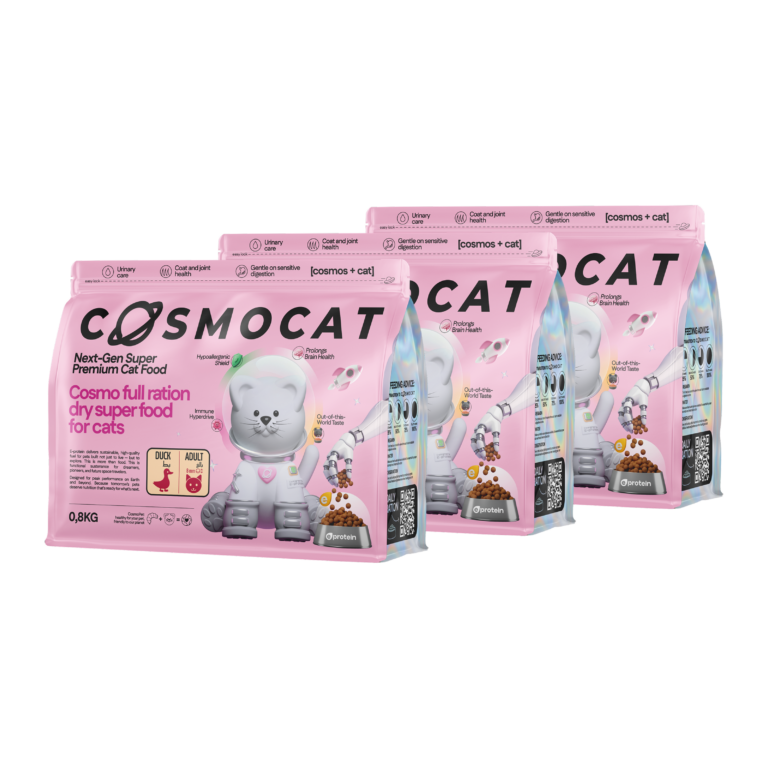
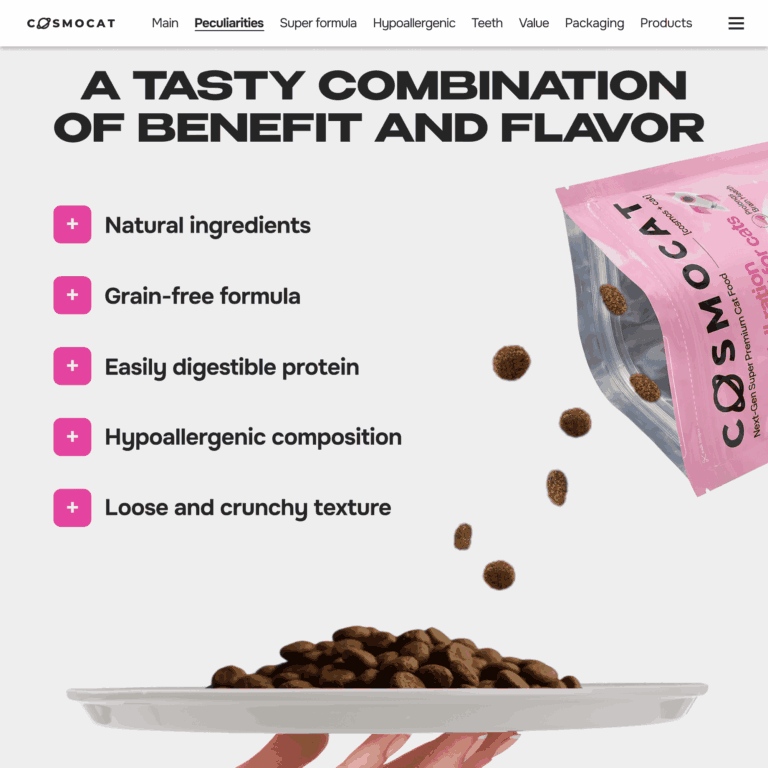
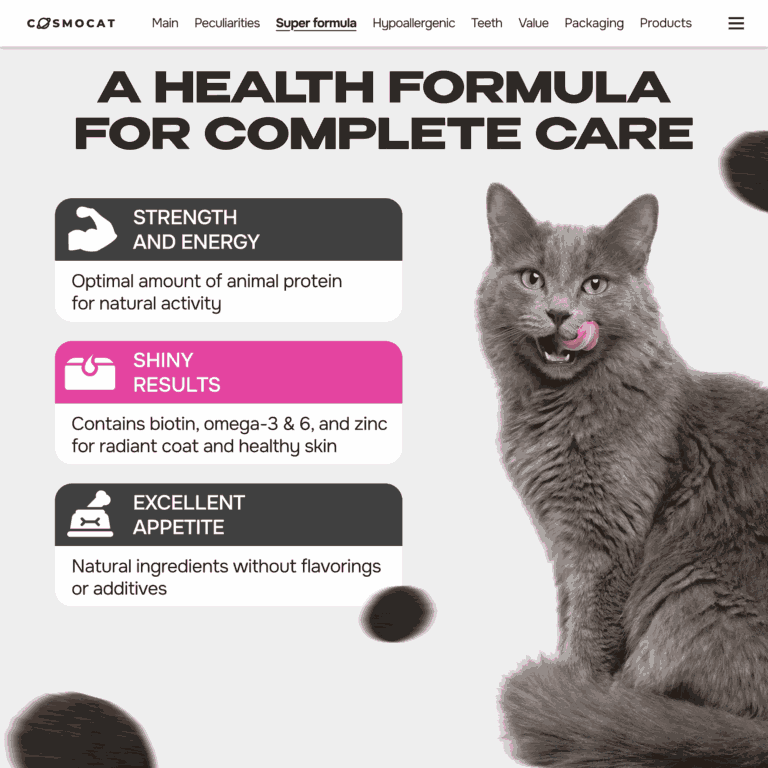
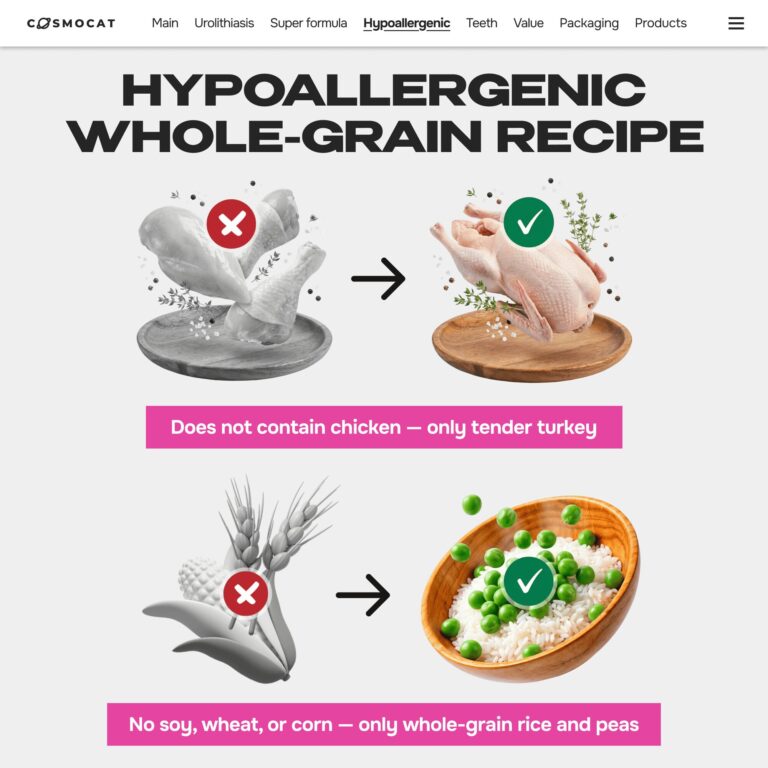
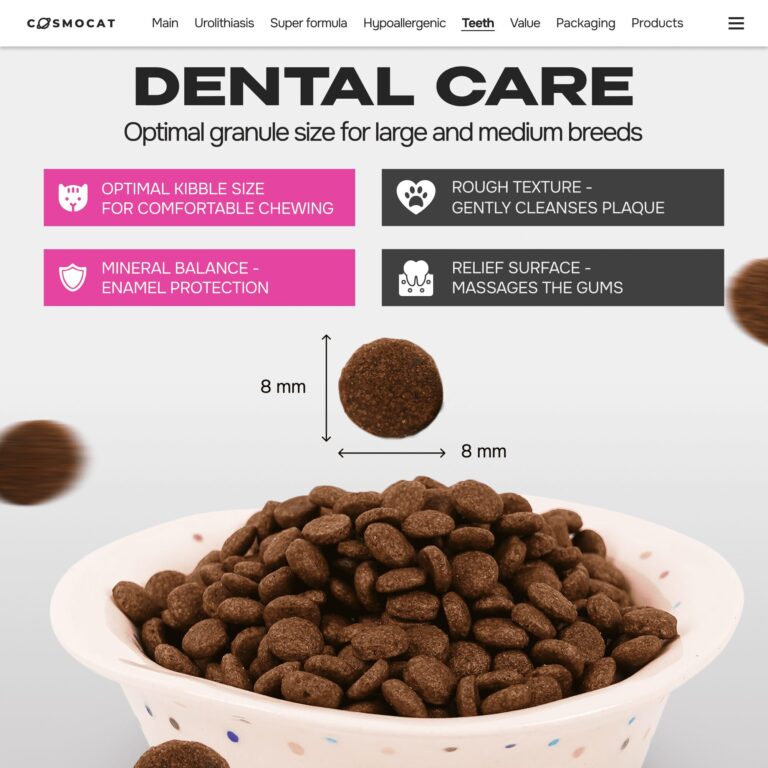
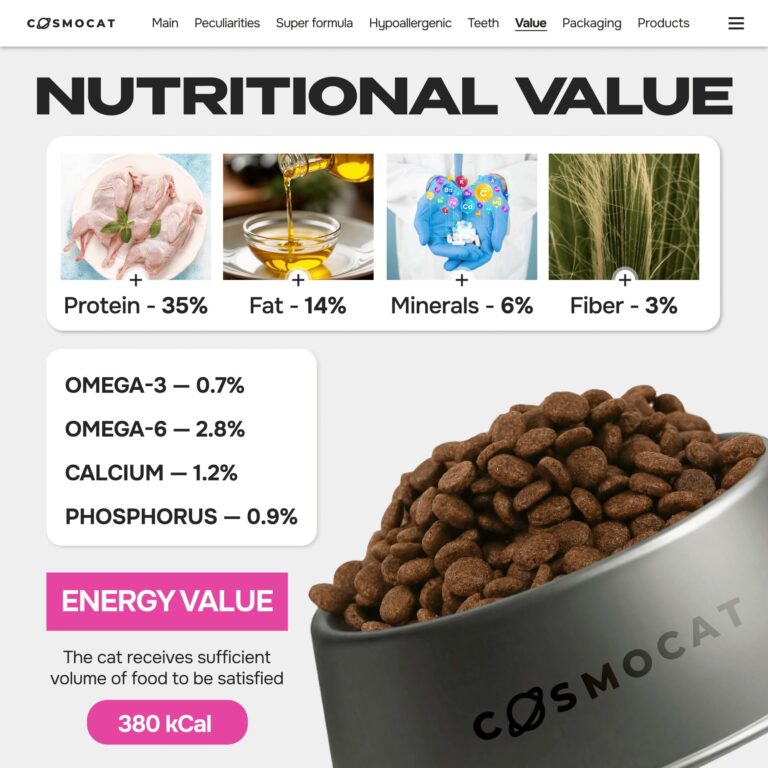
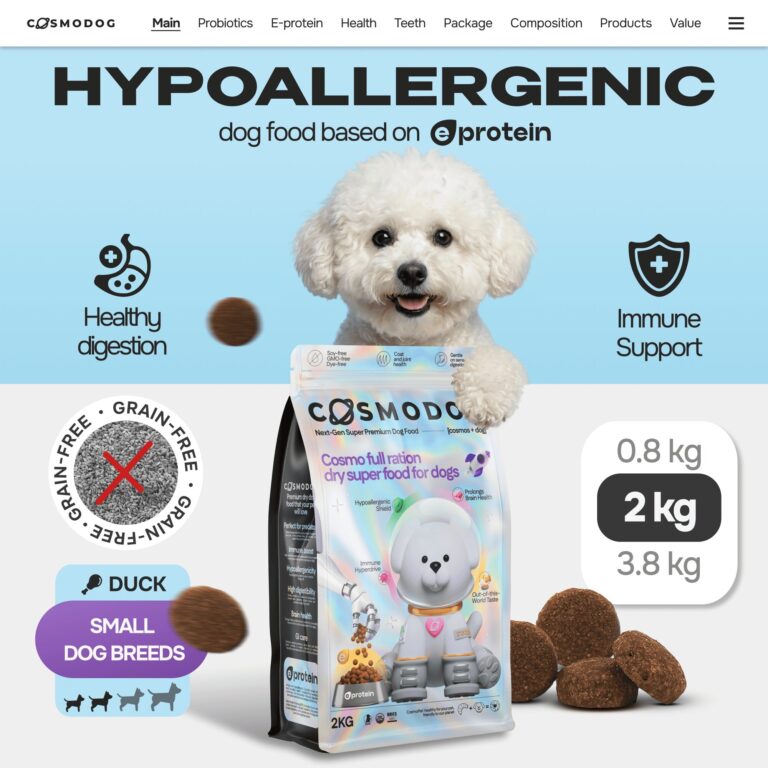
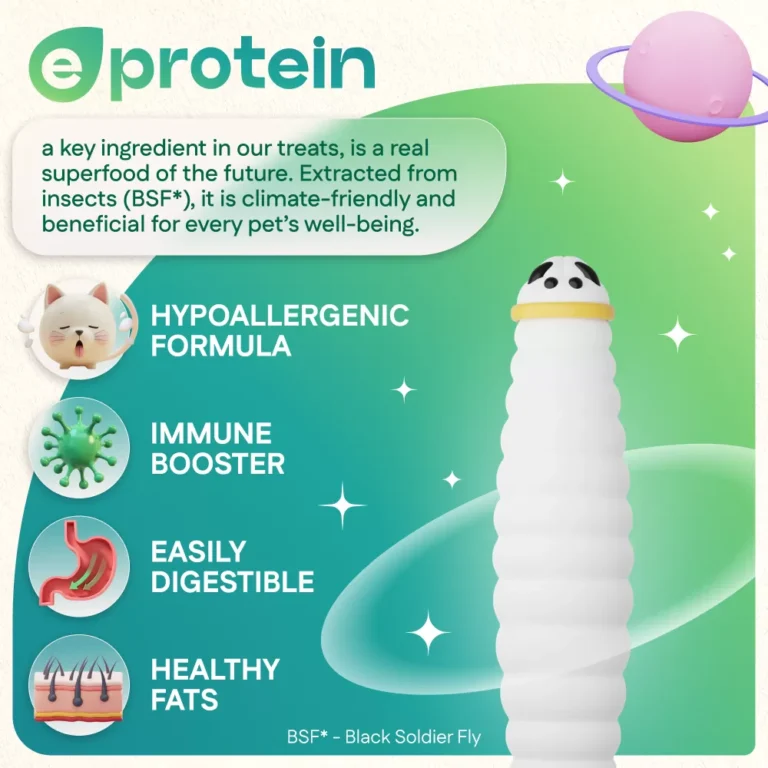
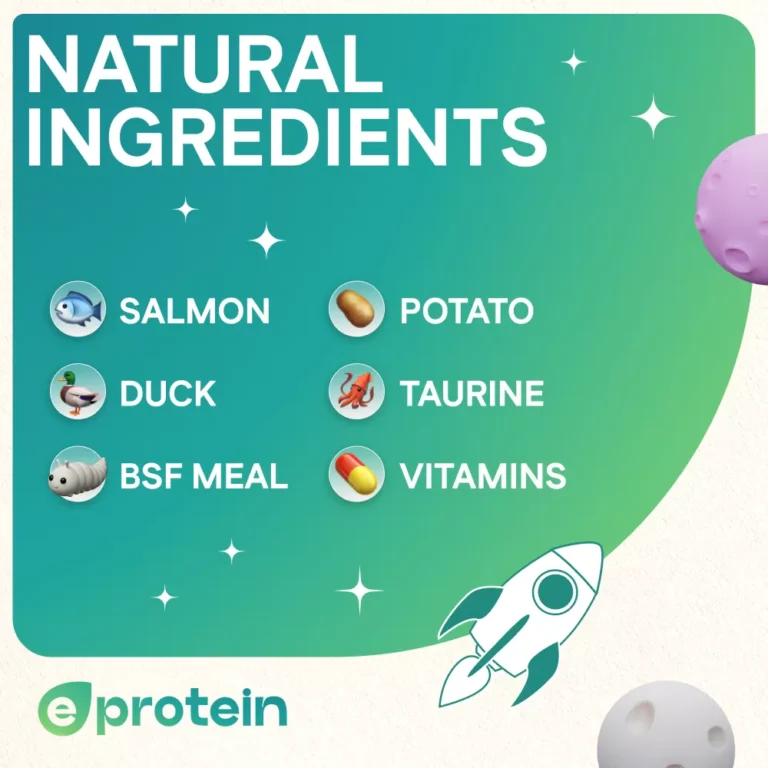

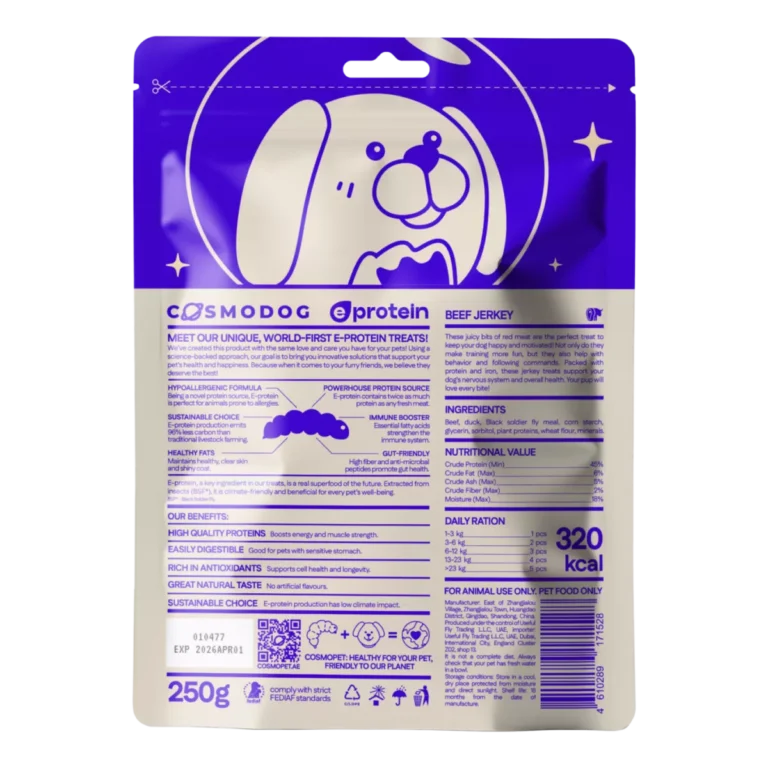
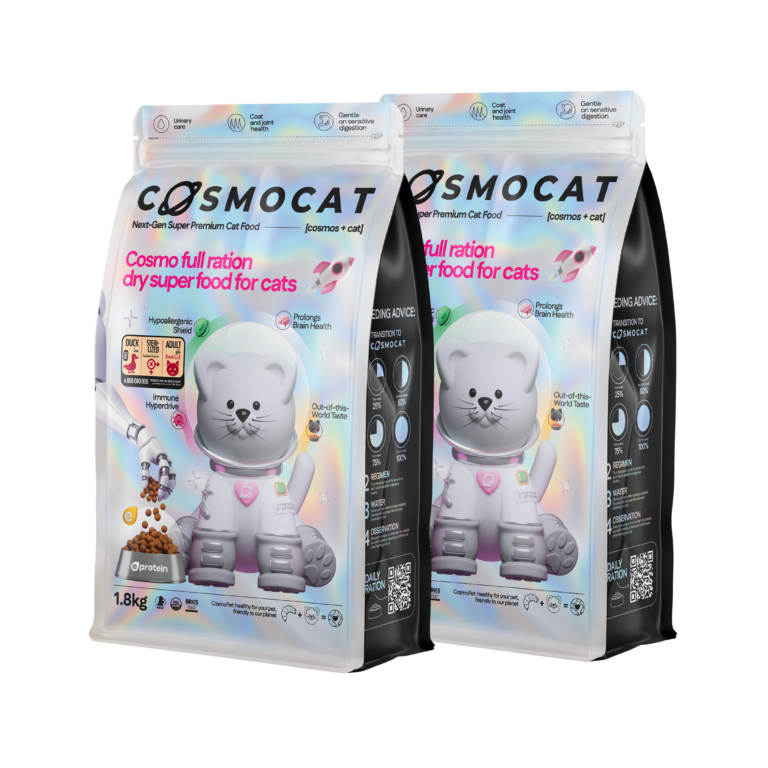
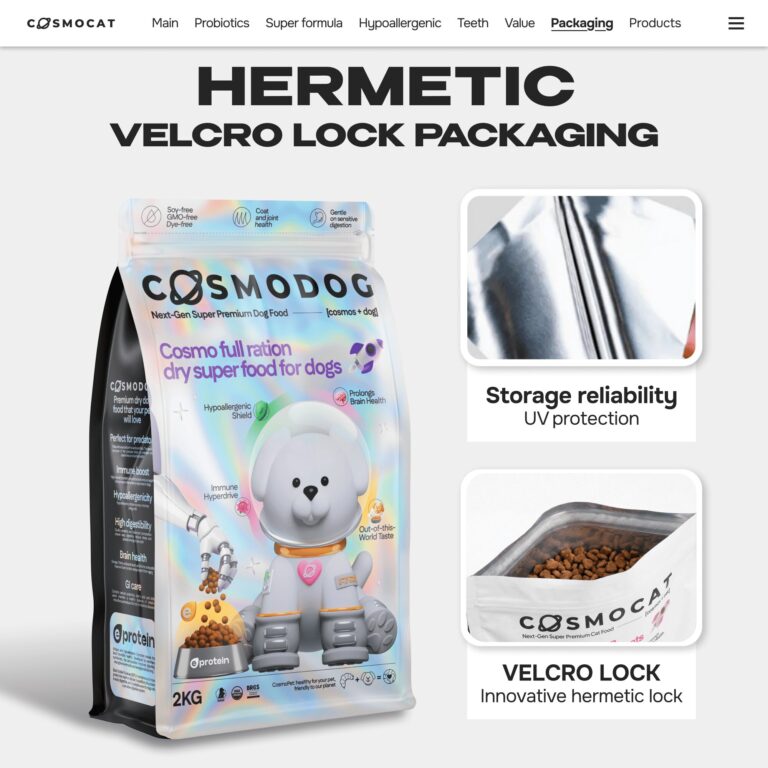
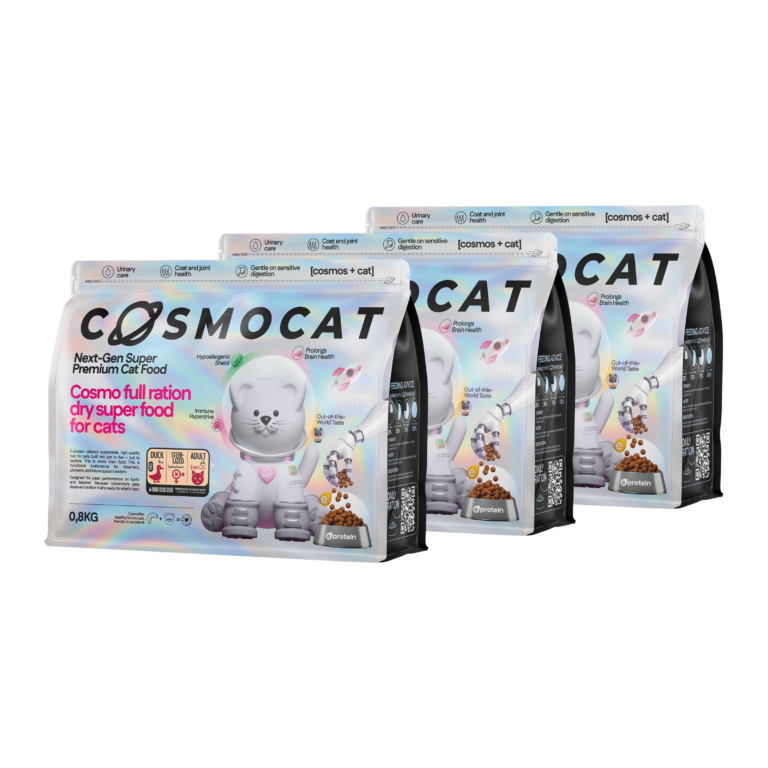
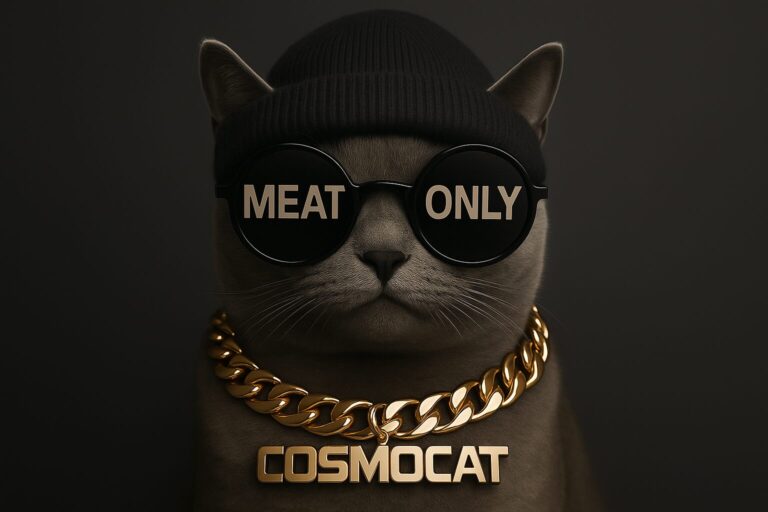
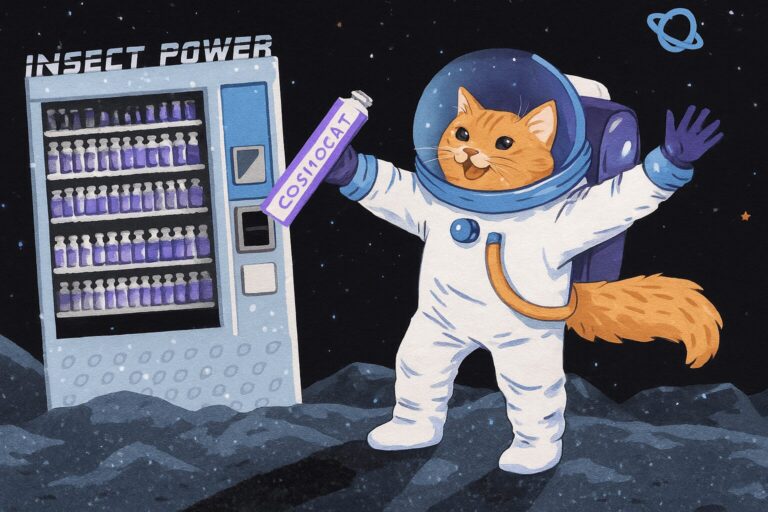
Insect protein is increasingly used not only in human diets, but also in pet nutrition. Trials have shown that Cosmocat, a hypoallergenic dry food for cats developed by the innovative Russian company Cosmopet, demonstrates high palatability and exceptional protein digestibility – over 90%.
The recipe, formulated by veterinary nutritionists, includes natural, carefully selected ingredients that support digestion, reduce stress, and help prevent FLUTD.
THE RISE OF THE BLACK SOLDIER FLY
In 2019, two graduates of the Indian Institute of Technology Ankit Alok Bagaria and Abhi Gauri founded a waste-processing company. Their startup, Loopworm, transformed spoiled food into protein and fats used in pet feed and fertilizers. To do this, they raised black soldier fly larvae – insects capable of rapidly converting organic waste. Eventually, Bagaria and Gauri noticed that beyond protein, they could extract chitin from the larvae. This discovery opened the door for Loopworm to a new market.
Chitin is derived from insect exoskeletons and processed into chitosan – a compound widely used in cosmetics. Chitosan forms a thin film on the skin, locks in moisture, and accelerates healing. Thanks to these properties, it’s added to moisturizers, masks, serums, and skin-repair products. Until the 2010s, chitosan was mostly sourced from shrimp and crab shells, but insect farms unlocked new production possibilities. Soon came an entirely new cosmetics segment: cricket-protein creams, serums made from mealworm lipids, masks from silkworm sericin, antiseptics from fly-derived peptides.
But stopping at cosmetics would be shortsighted. These new resources opened doors for pharmaceuticals and biotechnology. The same chitosan is now used to coat tablets, other insect-derived compounds are being studied as potential foundations for future antibiotics and antiviral drugs. Of course, these ingredients have existed before, but insect farms turned them into abundant, scalable resources.

It looked like the dawn of a new era in cosmetics and pharmaceuticals – where nature and science work in a perfect tandem – but that was only the beginning.
While humanity once again dreams of Mars, one thing becomes clear: shipping food and building materials there will be prohibitively expensive. Professor Javier Fernandez proposed an unexpected solution – using insects. Astronauts could produce entoprotein via onboard insect farms: it’s easy, cheap, and nutritionally complete. But the most important part is the byproduct.
By combining Martian soil with insect-derived chitin, it becomes possible to create construction materials for buildings, roads, and infrastructure. Insects can become a universal asset for colonization: they feed, they build, they sustain life. The idea of using insects as food in space has been mainstream for years, but Fernandez’s model is the first to also solve the construction challenge. Scientists believe the theory holds – and experiments on Earth support it.
AHEAD INTO A BRIGHTER FUTURE
Insects have reversed economic logic – from depletion to regeneration – turning waste into profit. The global market for insect-based waste-processing is valued at around $300 million. In five years, it may grow to $1.5 billion.
And this is just the beginning. As demand for alternative protein, sustainable production, and reduced environmental impact rises, more people are turning their attention to insects. This trend affects not only human nutrition. More and more pet food manufacturers are adopting insect protein as well.
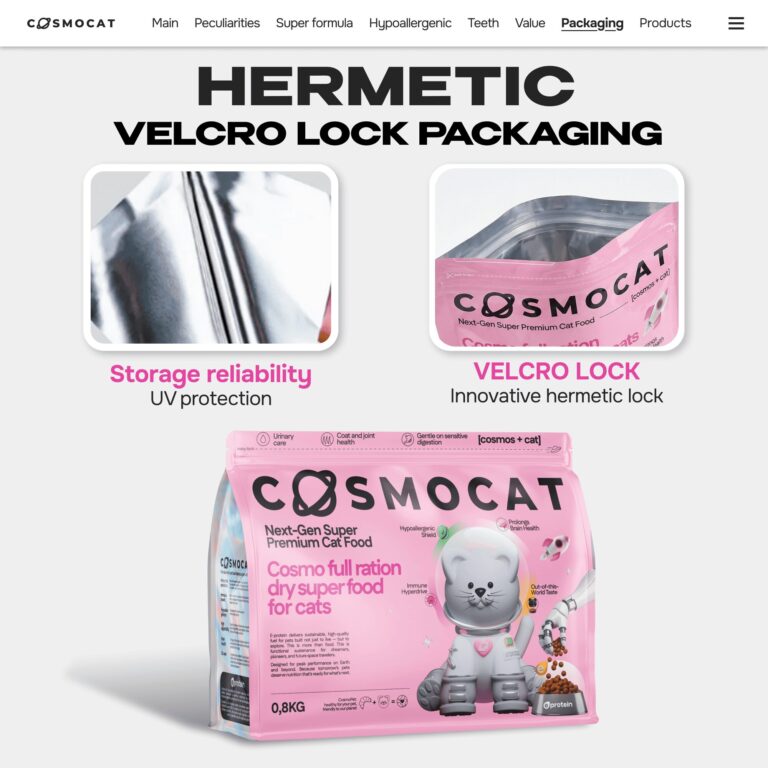
The Russian company Cosmopet has developed Cosmocat, a dry hypoallergenic cat food that blends high palatability with exceptional protein digestibility. This approach not only improves pet health but also makes the entire pet food industry more sustainable.
This is no longer an exotic idea – it’s a working blueprint for the future. Cricket bars, chitin-based housing, fertilizers made from grass – all of this is no longer fantasy but a growing real-world industry. It’s a new reality in which insects feed, build, and restore. Everything else is just a matter of time.








More interesting articles









, чтобы оставлять комментарии